Paediatric First Aid Course in London
Essential first aid training for anyone caring for babies and children
Our Paediatric First Aid Course in London offers clear and practical training for anyone caring for infants and children. Experienced instructors teach you skills for real childcare emergencies, meeting EYFS and Ofsted standards.
Whether you work in a nursery, school, or early years setting, or are a parent or carer, this course provides essential skills and certification. It helps you respond calmly and effectively in critical situations.
What Is Paediatric First Aid
Paediatric first aid is the immediate care given to babies and children who are hurt or suddenly unwell until help arrives. It focuses on the unique needs of infants and young children because their bodies and responses to emergencies are different from those of adults.
Training in paediatric first aid teaches you to recognise emergencies, act quickly, and provide safe care for children from birth to puberty. You will learn how to handle serious situations like breathing difficulties, choking, allergies, and unconsciousness, as well as common injuries like cuts, burns, and falls.
In the UK, paediatric first aid is essential for anyone working with children, especially in early childhood settings. A recognised course ensures that caregivers and professionals have the skills, confidence, and knowledge to keep children safe in everyday situations and emergencies.
Why Paediatric First Aid Training Is Essential
When a baby or child gets seriously sick or hurt, the first few minutes are crucial. Kids can get worse faster than adults. Quick and proper action can greatly improve their chances. Paediatric first aid training teaches caregivers how to respond safely and confidently while waiting for emergency help.
Many emergencies with children happen suddenly, like choking, breathing problems, allergic reactions, and sudden illnesses. Without training, it can be hard to tell how serious a situation is or what to do. Paediatric first aid training helps people recognise life-threatening conditions early and prepares them to stabilise a child until help arrives.
For childcare professionals, paediatric first aid is about more than just responding to emergencies; it’s also about preventing problems, offering comfort, and ensuring care. Being trained helps create safer places in nurseries, schools, and activity centres. It also gives parents and caregivers confidence that their children are in good hands. In busy childcare settings in London, having trained first aiders is essential for keeping children safe every day.
EYFS and Ofsted First Aid Requirements Explained
In England, child first aid training is a legal requirement for many people who work with young children. This is outlined in the Early Years Foundation Stage (EYFS) framework, which Ofsted checks during inspections.
Under EYFS rules, childcare providers must have at least one person with a valid paediatric first aid certificate on-site at all times when children are present, including during outings. This rule applies to nurseries, pre-schools, childminders, and other settings caring for children from birth to five years.
Ofsted expects paediatric first aid training to be:
- Relevant to infants and young children
- Provided by a qualified trainer
- Current, with certifications renewed as needed
- Clearly documented for inspections
Training must cover key emergencies like infant and child CPR, choking, unconsciousness, allergic reactions, and serious injuries. EYFS-compliant courses focus on hands-on learning, helping staff confidently use their skills in real childcare situations.
Completing an EYFS-approved paediatric first aid course shows that early years providers are professional and committed to safety. For parents and carers, it offers reassurance that their children’s caregivers are well-trained to handle emergencies.
Who Needs Paediatric First Aid Training in London
Paediatric first aid training is important for anyone taking care of babies and children. In London, where many childcare places are busy and varied, having trained first aiders is crucial for safety and professional duty.
This course is particularly suitable for:
Nursery and Early Years Staff
Staff in nurseries, including practitioners, leaders, managers, and support staff, must meet EYFS and Ofsted first aid standards. Paediatric first aid training equips them to handle emergencies involving infants and young children effectively.
Childminders and Nannies
Registered childminders and nannies caring for young children must have a valid paediatric first aid certificate. This training helps ensure safe childcare at home and reassures parents.
Schools and After-School Clubs
Teachers, teaching assistants, and lunchtime supervisors in schools and after-school clubs benefit from paediatric first aid skills. These skills help them manage injuries and emergencies involving young children, especially in early years and primary settings.
Parents, Carers, and Guardians
Parents, grandparents, and guardians often take paediatric first aid training to feel more confident caring for children at home. Knowing how to handle choking, illness, or injury can be crucial in emergencies.
Children’s Activity Providers
Anyone involved in children’s activities in London, like sports clubs and playgroups, should have recognised paediatric first aid training.
Paediatric first aid training makes childcare safer across London, supporting compliance and boosting confidence when caring for children.
Difference Between Paediatric and Adult First Aid
Paediatric first aid and adult first aid share the same basic emergency care principles, but they are not the same. The differences stem from how babies and children respond to illness and injury. This is why training specific to children is crucial for anyone caring for young people.
Paediatric First Aid
Paediatric first aid teaches how to care for infants and children from birth to puberty. The training is tailored to a child’s size and needs. It covers common emergencies like choking, febrile seizures, allergic reactions, and sudden illnesses. CPR techniques and recovery positions are specifically designed for young children.
Adult First Aid
Adult first aid is for teenagers and adults and does not focus on infants. Although it teaches useful skills, it does not fulfil the requirements for those working with young children and should not replace paediatric training.
Why the Difference Matters
Using adult first aid techniques on babies or young children can be ineffective or risky. Paediatric first aid training helps caregivers respond correctly to a child’s specific needs, ensuring proper care until emergency services arrive.
For anyone caring for children in London, paediatric first aid training is the right choice.
Emergencies Covered in Paediatric First Aid Training
Paediatric first aid training teaches how to handle emergencies for babies and young children, especially in childcare, schools, and at home. These situations can happen fast, so it’s important to know how to respond quickly and correctly.
In this paediatric first aid course in London, learners will learn to recognise and manage various emergencies specific to children, including:
- Sudden breathing difficulties and respiratory distress
- Choking in infants and children
- Unconsciousness and reduced responsiveness
- Serious bleeding and wounds
- Burns and scalds
- Fractures, sprains, and suspected spinal injuries
- Febrile seizures related to high temperature
- Allergic reactions and anaphylaxis
- Head injuries and suspected concussion
- Medical emergencies requiring escalation to emergency services
Paediatric first aid training teaches how to handle emergencies for babies and young children, especially in childcare, schools, and at home. These situations can happen fast, so it’s important to know how to respond quickly and correctly.
In this paediatric first aid course in London, learners will learn to recognise and manage various emergencies specific to children, including:
Infant and Child CPR Training
Infant and child CPR is a key part of paediatric first aid training. It is taught with simple, step-by-step methods for babies and young children. Since a child’s airway, breathing, and circulation are different from an adult’s, CPR techniques must be suitable for their age and practised correctly.
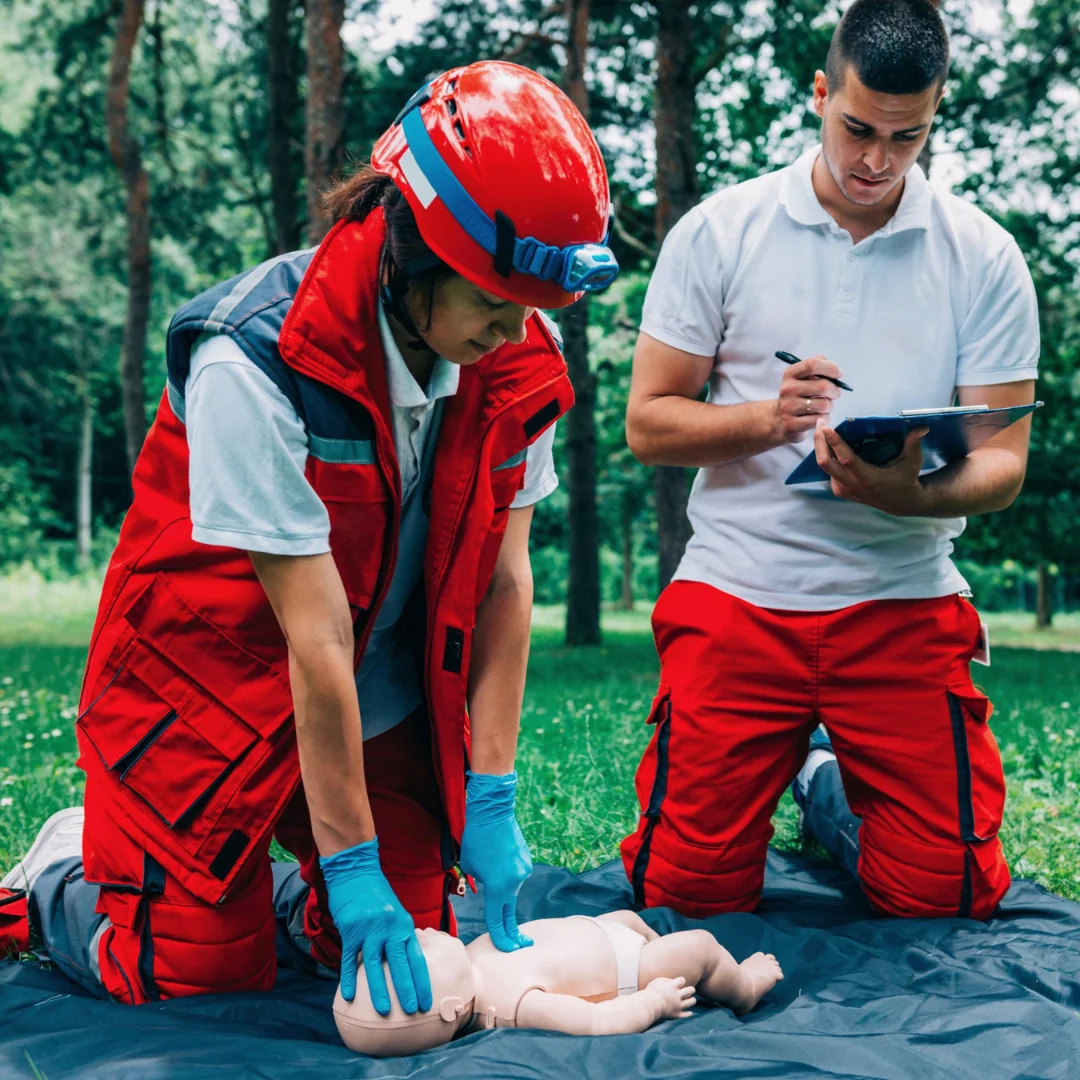
In this paediatric first aid course in London, learners practise CPR with instructor guidance using child and infant manikins. This hands-on approach builds confidence and skills, ensuring learners know what to do and how to do it safely.
Practical Skills You Will Learn
- How to assess an unresponsive baby or child
- How to open the airway correctly for infants and children
- Correct rescue breathing techniques
- Age-specific chest compression methods and depth
- Combining breaths and compressions safely
- When and how to call for emergency help
Learning Outcomes
By the end of the CPR training, learners will be able to:
- Respond calmly to a cardiac or breathing emergency involving a child
- Perform infant and child CPR in line with UK first aid guidance
- Understand the importance of early intervention in paediatric emergencies
- Apply CPR confidently until professional help arrives
This practical CPR training meets EYFS and Ofsted standards. It ensures that anyone caring for children in London has the vital life-saving skills needed in an emergency.
Choking in Babies and Children
Choking is a common emergency for babies and young children, especially during meals and play. paediatric first aid training helps you spot choking quickly and respond with the right actions for each age group. The steps for infants are different from those for older children, making practical training essential.
How to Recognise Choking
A baby or child may be choking if they:
- Cannot breathe, cry, or cough effectively
- Make silent attempts to cough
- Have noisy breathing or wheezing
- Show distress, panic, or unusual quietness
- Become increasingly tired or unresponsive
If the child is coughing hard, encourage them to keep coughing and watch them closely. Only step in if the cough stops working.
Step-by-Step Response for a Choking Baby (Under One Year)
- Check for signs of ineffective coughing or breathing difficulty.
- Support the baby face down along your forearm, keeping the head lower than the body.
- Give up to five back blows between the shoulder blades using the heel of your hand.
- If choking continues, turn the baby onto their back and give up to five chest thrusts using two fingers in the correct position.
- Alternate back blows and chest thrusts until the object clears or the baby becomes unresponsive.
- If the baby becomes unresponsive, begin infant CPR and call emergency services immediately.
Step-by-Step Response for a Choking Child (Over One Year)
- Encourage coughing if the child can still cough effectively.
- If coughing is ineffective, give up to five back blows between the shoulder blades.
- If choking continues, give up to five abdominal thrusts, positioned correctly for the child’s size.
- Alternate back blows and abdominal thrusts until the blockage clears or the child becomes unresponsive.
- If the child becomes unresponsive, begin child CPR and call emergency services immediately.
Why Practical Training Matters
Knowing the steps is helpful, but confidence comes from practise. In this paediatric first aid course in London, learners practise choking responses with training manikins. This helps them understand the right technique, position, and force for babies and children. It builds calm decision-making and helps caregivers respond effectively in real childcare situations.
Recovery Position and Unconscious Casualties
When a baby or child is unconscious but still breathing, it’s important to put them in the right recovery position. paediatric first aid training includes techniques to keep the airway open, prevent choking, and reduce risks while waiting for medical help.
Recognising an Unconscious Child
A child may be unconscious if they do not respond to:
- Talking or gentle shaking
- Painful stimulus applied safely.
- Normal verbal cues or eye contact
Once you confirm the child is unresponsive, check their breathing right away. If they aren’t breathing normally, start CPR immediately. If they are breathing, place them in the recovery position.
Child-Specific Recovery Position Guidance
In paediatric first aid, the recovery position is adjusted for a child’s size and shape. Learners are taught to:
- Safely place the child on their side
- Keep the airway clear
- Tilt the head slightly down to let fluids drain
- Support the head and body gently to avoid strain
For babies, the recovery position may involve holding them safely on their side instead of lying them flat on the floor, based on the situation.
Ongoing Care and Monitoring
Once in the recovery position, carers must:
- Continue to monitor breathing closely
- Look for any changes in condition
- Keep the child warm and comfortable
- Call emergency services if not already done
Why Training Is Essential
Incorrect positioning can block airways, especially in young kids. paediatric first aid training offers practical lessons to help learners safely and confidently position babies and children. This training prepares them to respond correctly to situations like fainting, head injuries, seizures, or sudden illness, which can cause unconsciousness in children.
Managing Injuries and Medical Emergencies
Babies and young kids are active and curious, which can lead to injuries and medical emergencies. paediatric first aid training teaches safe, child-friendly responses that minimise harm, ease distress, and help recovery until more medical help arrives.
Burns and Scalds
Burns and scalds are common injuries for kids, especially at home and in early childhood settings. Learners are taught how to:
- Assess how serious a burn is.
- Cool the burn safely.
- Protect the burn from infection.
- Know when to seek medical help.
Clear instructions are provided on what to do and what to avoid, ensuring children get the right care quickly.
Bleeding and Wounds
Children bleed faster than adults, so knowing how to control bleeding is crucial. Paediatric first aid training includes:
- How to apply direct pressure safely
- Managing cuts, grazes, and nosebleeds
- Recognising signs of serious bleeding
- When to escalate and seek urgent help
The focus is on calm reassurance alongside effective first aid action.
Fractures and Suspected Injuries
Falls and accidents can cause broken bones or soft tissue injuries. Learners are taught how to:
- Recognise possible fractures or dislocations
- Support and immobilise an injured limb
- Reduce movement and discomfort
- Monitor the child while waiting for medical assessment
Emphasis is placed on preventing further injury and keeping the child comfortable.
Seizures and Febrile Convulsions
Febrile seizures can be scary, but they are common in young children. paediatric first aid training covers:
- How to recognise a seizure
- How to keep the child safe during the episode
- What actions to take once the seizure stops
- When emergency services should be contacted
This knowledge helps carers respond confidently and avoid unnecessary panic.
Paediatric first aid training teaches carers and professionals in London how to handle injuries and sudden medical issues. This training gives them the skills to provide effective, reassuring care for children in various everyday and emergency situations.
Allergic Reactions and Anaphylaxis
Allergic reactions in children can vary from mild to severe. paediatric first aid training teaches caregivers and professionals to spot the signs quickly and respond correctly, focusing on key actions.
Recognising Allergic Reactions
Kids can have allergic reactions to food, insect stings, medicine, or things in the environment. Symptoms can include:
- Skin reactions such as hives, redness, or swelling
- Itching of the mouth, lips, or throat
- Abdominal pain, vomiting, or diarrhoea
- Sneezing, coughing, or wheezing
Mild reactions still require monitoring, as symptoms can worsen over time.
Understanding Anaphylaxis
Anaphylaxis is a serious allergic reaction that can happen quickly and needs urgent action. Look for these warning signs:
- Swelling of the face, lips, or tongue
- Difficulty breathing or noisy breathing
- Pale or clammy skin
- Dizziness or collapse
- Sudden anxiety or confusion
Paediatric first aid training teaches learners to spot anaphylaxis and realise it is a medical emergency.
Emergency Response Priorities
During this paediatric first aid course in London, learners are trained to:
- Act immediately and call emergency services
- Help the child use their prescribed adrenaline auto-injector, where appropriate
- Position the child safely based on their symptoms
- Monitor breathing and responsiveness closely
- Provide reassurance while waiting for medical help
Clear guidance is provided on aftercare and observation, as symptoms may come back after treatment.
Why Training Matters in Childcare Settings
Many children in nurseries and schools have allergies. Paediatric first aid training helps staff manage allergies safely and respond quickly and confidently. This ensures children get the right care when they need it and lowers risks during emergencies.
Head Injuries and Serious Illness
Head injuries and sudden illnesses in babies and children need careful checking and quick decisions. paediatric first aid training teaches how to spot warning signs early and when to watch, act, or call for medical help.
Recognising Head Injuries in Children
Children frequently bump or fall, but some head injuries can be serious. paediatric first aid training teaches caregivers to watch for:
- Loss of consciousness, even briefly
- Persistent crying or unusual behaviour
- Vomiting or severe headache
- Drowsiness or difficulty waking
- Confusion, imbalance, or seizures
- Changes in vision or speech
Learners learn that symptoms can appear over time, so it’s important to keep watching.
When to Seek Urgent Medical Help
Emergency services should be contacted immediately if a child:
- Becomes unconscious or unresponsive
- Has a seizure following a head injury
- Shows signs of breathing difficulty
- Has worsening symptoms or repeated vomiting
- Has a suspected serious injury or collapse
Paediatric first aid training offers clear directions on when to seek help, so caregivers don’t wait too long during emergencies.
Recognising Serious Illness
Children can become seriously unwell quickly. Training helps learners identify signs such as:
- High temperature that does not respond to care
- Breathing that is rapid, laboured, or noisy
- Pale, mottled, or blue-tinged skin
- Reduced responsiveness or lethargy
- Signs of severe dehydration
Importance of Calm Assessment
Paediatric first aid focuses on staying calm, assessing the child clearly, and offering reassurance. Learners practise trusting their judgment, watching for changes, and raising concerns when needed. This helps keep children safe and meets EYFS safeguarding requirements.
Knowing when to get medical help ensures that children in London childcare settings receive the right care on time, which lowers risks and improves results.
Practical Skills You Will Learn
Paediatric first aid is a hands-on skill. This course helps learners feel confident and capable, not just informed. Instructors lead demonstrations and guide practise through realistic childcare scenarios in London.
Learners practise techniques actively instead of just watching. This builds their confidence, memory, and ability to make calm decisions under pressure.
Hands-On Skills Covered
During the course, you will practise how to:
- Assess a baby or child who is injured or unwell
- Perform infant and child CPR using training manikins
- Manage choking safely in babies and children
- Place a child in the correct recovery position
- Control bleeding and manage wounds
- Respond to burns, fractures, and suspected injuries
- Support a child during seizures or sudden illness
- Recognise when to escalate and call emergency services
Benefits of Practical Training
Hands-on paediatric first aid training helps learners to:
- Feel confident responding to real emergencies involving children
- Understand correct technique, positioning, and force
- Reduce panic and hesitation in high-pressure situations
- Apply learning directly to nurseries, schools, and home settings
- Meet EYFS and Ofsted expectations for practical competence
All practical sessions are led by experienced instructors who teach techniques safely and clearly. This method helps everyone caring for babies and children in London gain real-world skills they can trust, not just theoretical knowledge.
Certification, Recognition, and Validity
After finishing the Paediatric First Aid Course in London, learners get a UK-recognised certificate. This certificate meets EYFS and Ofsted standards. It shows that the holder has completed hands-on training in important first aid skills for babies and children.
UK Recognition
The paediatric first aid certificate is suitable for use across England and is widely accepted by:
- Nurseries and early years settings
- Childminders and nannies
- Schools and after-school clubs
- Children’s activity providers
- Parents and carers seeking recognised training
The course follows current UK first aid guidelines and early years safeguarding standards. This makes it suitable for both professional and personal childcare environments.
Certificate Validity
Paediatric first aid certification lasts three years from the completion date. This period emphasises the need to keep skills and knowledge current, especially for urgent situations involving children.
Renewal and Refresher Training
Learners must renew their paediatric first aid training every three years to meet EYFS and Ofsted requirements. Renewal courses refresh skills, boost confidence, and keep carers updated on best practises.
Renewing on time prevents gaps in certification and helps childcare providers in London meet legal and safeguarding duties.
Having a valid paediatric first aid certificate shows professionalism and a commitment to child safety, ensuring readiness to respond in emergencies.
Paediatric First Aid Training for Nurseries and Organisations
Paediatric first aid training for nurseries and organisations in London gives practical and compliant training tailored to your needs. With onsite and group options, childcare providers can meet EYFS and Ofsted requirements without interrupting daily activities.
On-site Paediatric First Aid Training in London
Onsite training lets instructors teach paediatric first aid courses right at your nursery, school, or organisation anywhere in London and Greater London. This method provides:
- Training delivered in your own familiar environment
- Flexible scheduling to suit staff rotas
- Reduced travel time and costs for teams
- Consistent training for all staff members
Onsite courses teach the same hands-on skills as classroom training and meet UK paediatric first aid standards.
Group Training for Childcare Teams
Group paediatric first aid training is ideal for:
- Nurseries and pre-schools
- Early years and childcare settings
- Schools and after-school clubs
- Childminding networks
- Children’s activity providers and charities
Training teams together helps create consistent responses during emergencies. It boosts staff confidence and strengthens the organisation’s safeguarding culture.
Compliance and Safeguarding Support
Paediatric first aid training for organisations focuses on:
- Meeting EYFS first aid requirements
- Supporting Ofsted inspection readiness
- Ensuring adequate first aid cover at all times
- Building confidence across the whole team
Group and onsite training in London offers a practical and affordable solution for organisations that ensure children’s safety. It shows a strong commitment to following rules, professionalism, and high care standards.
Why Choose Paediatric First Aid Training in London
When choosing a paediatric first aid training provider, look for trust, relevance, and local knowledge. Training in London should match the real-life experiences of busy childcare environments, diverse communities, and the expectations of regulators and parents.
Local London Expertise
Our paediatric first aid training in London is based on real childcare settings like nurseries and schools. Our trainers know the local safety rules and the challenges childcare workers face in the area.
EYFS and Ofsted-Aligned Training
All training meets EYFS standards and what Ofsted expects in early years settings, ensuring that learners and organisations are prepared and compliant with regulations.
Experienced, Professional Instructors
Courses are taught by instructors skilled in paediatric first aid and childcare safety. This ensures the training is clear, practical, and easy for non-medical learners to understand, with a calm and supportive atmosphere.
Hands-On Learning
We focus on hands-on practise for paediatric first aid skills. Our training includes realistic scenarios and clear instructions, helping learners remember skills and respond effectively in real emergencies involving children.
Trusted by Individuals and Organisations
Paediatric first aid training in London is trusted by:
- Nurseries and early years providers
- Schools and children’s organisations
- Childminders and nannies
- Parents and carers
Choosing local paediatric first aid training means you get training that matters, peace of mind, and trusted standards. This helps you feel ready to care for babies and children safely and confidently.
How Long Does Paediatric First Aid Certification Lasts
A paediatric first aid certificate lasts for three years from when you complete the course. This three-year period is accepted throughout the UK by nurseries, childcare providers, and Ofsted.
Why Certification Has an Expiry Date
Paediatric first aid skills are crucial and hands-on. Techniques can be forgotten, and advice can change over time. Renewing skills every three years makes sure that anyone caring for babies and children:
- Maintains confidence in emergency situations
- Keeps practical skills up to date
- Continues to meet EYFS and safeguarding requirements
When to Renew Your Paediatric First Aid Training
To stay compliant, renew paediatric first aid training before the certificate expires. Renewing early prevents gaps in coverage and ensures childcare settings have a trained first aider, as required by EYFS rules.
Renewal for Childcare Professionals and Parents
- Nursery staff, childminders, and early years practitioners must have a valid first aid certificate.
- Schools and children’s organisations should schedule renewals ahead of time to keep first aid coverage.
- Parents and carers often update their training to boost their confidence and feel reassured.
Renewing your paediatric first aid training in London keeps you prepared, compliant, and confident when caring for babies and children.
Book Your Paediatric First Aid Course in London Today
If you want reliable, EYFS-aligned paediatric first aid training in London, our courses will help you gain the confidence and skills you need. You will receive recognised certification to care for babies and children safely.
Book Your London Course
Our classroom-based paediatric first aid courses in London are suitable for:
- Nursery and early years staff
- Childminders and nannies
- School and childcare professionals
- Parents and carers
Book your paediatric first aid course in London today. You will receive practical training from experienced instructors in a supportive setting.
Enquire About Group and Onsite Training
We offer onsite and group paediatric first aid training in London and Greater London, customised for:
- Nurseries and early years settings
- Schools and after-school clubs
- Childcare organisations and community groups
Group training is a simple and affordable way for your team to meet EYFS and Ofsted first aid rules while training together in your own space.
Book Your Paediatric First Aid Course in London
Enquire About Nursery and Organisation Training
Enhance child safety with professional paediatric first aid training available right in London.



Reviews
There are no reviews yet.