
£35.00
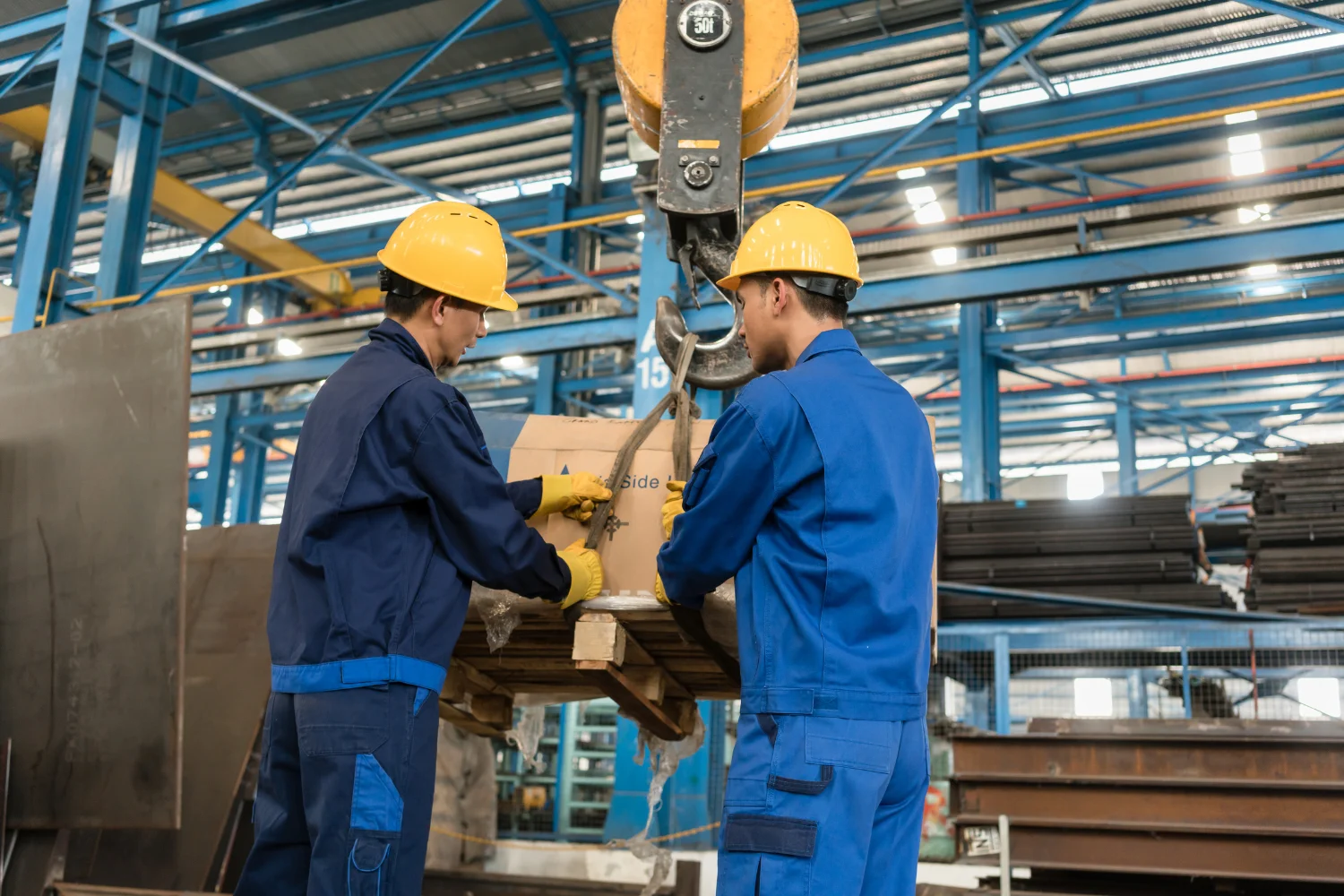
Looking for a reliable Manual Handling Training Course in London? Basic Life Support Training offers hands-on courses to help employees and employers reduce manual handling injuries, improve safety, and meet UK regulations.
Our training is ideal for individuals, teams, and organisations in London and Greater London. Whether you work in an office, warehouse, healthcare, retail, construction, or logistics, this course teaches safe lifting techniques, risk assessments, and injury prevention.
You can choose flexible online training, classroom sessions, or onsite training at your workplace. Gain the knowledge and confidence to lift safely and maintain a healthier work environment.
Manual handling training teaches workers how to lift, carry, push, pull, and move items safely to avoid injuries. It shows employees the right techniques and safe practises for handling loads at work.
Manual handling means moving or supporting an object using your hands or body. This includes lifting boxes, moving equipment, pushing trolleys, carrying supplies, or handling deliveries and patients.
A manual handling training course offers practical advice on how to do these tasks safely, protecting the back, muscles, joints, and overall health of workers. It also explains how employers and employees can work together to reduce risks and create a safer workplace.
Manual handling activities may involve:
Purpose of Manual Handling Training
Manual handling training in London, whether online or in-person, helps employees and companies boost safety, reduce accidents, and meet health and safety laws.
Manual handling training teaches safe ways to lift, carry, push, pull, and move loads. It focuses on reducing injury risks and following UK safety regulations.
Manual handling causes many workplace injuries in the UK. Every day, employees in offices, warehouses, healthcare, retail, construction, and logistics lift, carry, push, or pull loads. Without proper training, these tasks can lead to serious injuries for both workers and employers.
Manual handling training teaches people how to move loads safely, reducing the risk of accidents and long-term health issues. By learning safe lifting techniques, employees can perform their jobs more confidently and effectively.
Poor manual handling can hurt the body, especially the:
Even simple tasks can cause injuries if done wrong or too often. Manual handling training helps employees spot risks and learn safer ways to work, keeping them healthy.
The main goal of manual handling training is to prevent injuries. Good training helps reduce:
By learning safe lifting techniques and assessing risks, workers can better avoid common workplace hazards.
Employers must protect the health and safety of their workers. Offering manual handling training shows that a company values workplace safety and meets health and safety laws.
Training encourages a safer work environment by helping employees understand their duties and follow safe manual handling steps in their daily tasks.
Employees who complete manual handling training feel more confident doing physical tasks. They learn to assess risks and use the right techniques, allowing them to work efficiently and safely.
Benefits for organisations include:
Manual handling training is crucial. It prevents workplace injuries, enhances employee safety, meets UK health and safety rules, and teaches workers how to lift, carry, push, and pull loads safely in different work settings.
Whether done online, in a classroom, or onsite in London, this training helps protect employees, lowers work risks, and creates a safer, more productive workplace.
Manual handling activities are protected by health and safety laws that keep workers safe from injuries. Both employers and employees need to understand these rules, as good manual handling practises help create a safer workplace and lower accident risks.
The main law in the UK about manual handling is the Manual Handling Operations Regulations 1992 (MHOR). This law requires employers to assess risks related to manual handling and take reasonable steps to reduce or remove them.
Taking a manual handling training course helps workers learn these legal requirements and how they relate to their daily tasks.
The Manual Handling Operations Regulations aim to prevent injuries from lifting, carrying, pushing, pulling, or moving loads.
Employers should follow this simple approach:
These guidelines apply to many industries, such as healthcare, warehousing, retail, construction, logistics, manufacturing, and offices.
Employers must protect their employees’ health, safety, and welfare, especially concerning manual handling tasks. They should:
Giving training in manual handling is an effective way to help employees work safely and with confidence.
Employees help keep the workplace safe. They need to follow training, use safe methods, and take care of their own health and the health of others.
Employees should:
By working together, employers and employees can largely lower the risk of manual handling injuries.
Not managing manual handling risks can lead to workplace injuries, lost productivity, more sick days, and legal issues for companies.
Investing in manual handling training in London shows that organisations value safety and helps them meet UK health and safety rules.
For employees, training teaches them how to spot risks, use better body mechanics, and safely handle tasks in different work situations.
UK manual handling rules say employers should limit manual handling when they can. They need to assess risks that can’t be avoided and take steps to reduce injury risks. Employees must follow safe practises, use their training, and work together to maintain health and safety at work.
Manual handling is a usual part of many jobs. If your work includes lifting, carrying, pushing, pulling, or moving loads, you can benefit from manual handling training.
Training teaches you how to work safely, lowers the risk of injury, and helps you meet health and safety rules, whether your job is physically demanding or involves manual tasks occasionally.
Manual handling risks are found in many workplaces. Manual handling training in London helps organisations, especially those where employees frequently move equipment, materials, stock, or people.
Common industries that need manual handling training include:
Many jobs include manual tasks as part of daily duties. Training helps workers learn the skills to do these tasks safely and efficiently.
This course is for:
Manual handling hazards can happen in any workplace. Training in manual handling helps workers spot risks and use safe practises in their specific environment.
Common workplaces include:
No. Manual handling training is important for jobs that require physical work, but it also helps employees who lift or move things occasionally.
Even office workers might need to move boxes, equipment, or furniture. Learning safe lifting techniques and good body mechanics can help prevent injuries, no matter the job or industry.
Employers must reduce workplace risks and promote safety. Offering manual handling training for staff helps:
For businesses in London and Greater London, investing in on-site manual handling training is a smart way to provide teams with relevant, specific instruction.
All workers who lift, carry, push, pull, move, or support loads should complete manual handling training. This includes office workers, warehouse staff, healthcare and care workers, retail employees, construction workers, logistics teams, supervisors, and employers in charge of workplace safety.
Manual handling tasks happen in almost every workplace, often without employees knowing the risks. Lifting and moving objects may seem ordinary, but bad handling can cause serious injuries, lower productivity, and long-term health issues.
Learning about common manual handling dangers is crucial in training. By spotting risks early, employees can take steps to stay safe and use better work methods.
One common manual handling risk is lifting or moving heavy, large, or awkward loads.
Examples include:
If loads are hard to grip, unstable, or unevenly balanced, the chance of injury goes up.
Wrong lifting techniques cause many workplace injuries. Most accidents happen when employees:
A manual handling training course teaches safe lifting methods. This training helps reduce body strain and lower the risk of injury.
Even with light loads, repeating the same movements can strain muscles, tendons, and joints. Common examples include:
Over time, these tasks can lead to fatigue and muscle problems.
Manual handling is riskier in tight spaces or areas with little movement.
Examples include:
Limited movement can make workers adopt awkward positions, raising the chances of strains and sprains.
Environmental hazards greatly increase the risks of manual handling.
Common hazards include:
Carrying loads can block vision, making it difficult for workers to see obstacles and hazards.
People often think manual handling is just about lifting, but pushing and pulling can also lead to injuries.
Examples include:
Using bad techniques, applying too much force, or using faulty equipment can strain your back, shoulders, arms, and joints.
Tyred employees are more likely to make mistakes while doing manual tasks. Fatigue can hurt focus, posture, balance, and decision-making.
Factors that can cause fatigue include:
That’s why manual handling training in the workplace teaches workers to recognise their limits and work safely within their abilities.
Recognising hazards is the first step to preventing injuries. Manual handling training teaches employees to spot workplace risks, evaluate tasks before starting, and use safer handling methods.
Organisations offering manual handling training in London help create safer workplaces, lower accident rates, and enhance employee well-being in many industries.
Common manual handling risks include lifting heavy objects, using poor lifting techniques, repetitive movements, awkward positions, pushing and pulling equipment, slips and trips, and fatigue. Spotting these hazards early reduces the chance of workplace injuries and promotes safer work habits.
Manual handling injuries can happen anywhere employees lift, carry, push, pull, or move loads. Some injuries occur suddenly from accidents, while others build up over time due to repeated strain and bad habits.
To prevent these injuries and protect employees, it’s important to understand their causes. A key goal of manual handling training is to help workers identify these causes and use safer techniques in their daily tasks.
Musculoskeletal disorders, or MSDs, are common workplace injuries linked to manual handling.
MSDs impact the body’s:
These injuries can build up over time from repetitive tasks or occur suddenly from unsafe lifting.
Common examples are:
Most of these injuries can be prevented with proper training and safe work practises.
One main cause of workplace injuries is poor lifting technique. When employees lift with their back instead of their legs, they put too much strain on their spine and muscles.
Common mistakes include:
Learning safe lifting techniques is essential in any manual handling training.
Injuries don’t just come from heavy lifting. Doing the same movements over and over at work can slowly strain your muscles and joints.
Examples include:
If not managed well, these repetitive tasks can lead to long-term muscle and joint problems and lower physical health.
Staying in awkward positions while lifting can lead to injuries. Examples include:
Good posture and body mechanics lower strain and make handling safer.
Workers often get injured when they try to lift loads that are too heavy for them.
Some risks include:
Before starting a task, employees should evaluate the situation and ask for help or use tools when needed.
Many employees lack proper training in manual handling, which can lead to safety risks.
Without training, workers might:
That’s why employers are focusing on manual handling training to reduce injuries and enhance safety at work.
The work environment can cause manual handling injuries.
Common problems include:
These issues can make accidents more likely during manual handling.
Effective manual handling training in London gives employees the knowledge and skills to identify hazards and work safely.
Training helps workers:
By raising awareness and promoting safer behaviours, companies can greatly lower the risk of workplace injuries.
Manual handling injuries often happen because of bad lifting techniques, repeated movements, awkward positions, heavy or unstable loads, lack of training, and unsafe work environments. If these risks are not managed, they can cause muscle and joint problems, strains, sprains, back injuries, and accidents at work.
A manual handling risk assessment helps spot dangers from lifting, carrying, pushing, pulling, or moving loads at work. It allows employers and employees to see risks before injuries happen and sets up control measures to prevent them.
Risk assessments are required by the Manual Handling Operations Regulations 1992 and are essential for workplace health and safety.
In a manual handling training course, learners learn the basics of risk assessment and how to use it in daily work tasks.
A manual handling risk assessment looks at a task to find out:
The aim is to make manual handling safe and to reduce the chance of accidents and injuries related to muscles and bones.
Many injuries from manual handling can be avoided by spotting hazards before work starts. A good assessment helps organisations decide how to carry out tasks safely.
The benefits of risk assessments include:
Learning to assess risks is an important skill gained from manual handling training.
When evaluating manual handling tasks, you should consider several factors.
Consider:
Repetitive movements or uncomfortable positions usually have a higher risk.
Assess:
Large or unstable loads are harder to handle safely than heavier, stable loads.
Workers have different abilities and limits. Factors include:
A task that is safe for one worker might not be safe for another.
Environmental conditions can greatly affect risk levels.
Examples include:
Always consider these factors when planning manual handling tasks.
After identifying hazards, it’s important to take steps to lower risks.
Common ways to control risks include:
The best way to manage risks is to combine safe work practises with ongoing training for employees.
Risk assessments aren’t just paperwork; they are useful tools that help organisations keep employees safe and lower injury risks.
Businesses that provide manual handling training in London usually see better safety awareness, hazard recognition, and increased employee confidence in handling tasks.
For employees, knowing about risk assessment principles fosters a proactive attitude toward workplace safety and promotes safer choices during daily activities.
A manual handling risk assessment identifies hazards from lifting, carrying, pushing, pulling, or moving loads. It aims to reduce injury risks. The assessment looks at the task, the load, the individual, and the work environment to promote safer practises.
Using safe lifting techniques is one of the best ways to prevent injuries from manual handling at work. Lifting incorrectly can hurt the back, shoulders, muscles, and joints, leading to sprains and long-term problems.
A main goal of manual handling training is to teach employees how to lift and move loads safely. By using proper lifting methods, workers can protect themselves and others while doing their daily tasks.
Many workplace injuries happen when employees lift loads without thinking about the safest way to do it. Even light objects can cause injuries if not handled correctly or if they are lifted repeatedly.
Safe lifting techniques help by:
Learning these techniques is essential in any manual handling training course.
Before lifting anything, employees should check the task to see if it can be done safely.
The following rules offer a clear guide for safer lifting:
Before moving a load:
Taking a moment to plan can lower the risk of injury.
Stand close to the load with your feet shoulder-width apart for stability.
This position helps:
One key lesson in safe lifting training is to use your legs, not your back.
When lifting:
The strong leg muscles are better at lifting than the smaller muscles in the lower back.
Holding a load away from your body puts more pressure on your spine and makes lifting harder.
To lift safely:
The closer the load is to your body’s centre of gravity, the easier it is to lift.
Twisting your body while carrying something can hurt your back.
Instead:
Keeping your body aligned reduces strain on your spine and muscles.
Always lift with slow and careful movements.
Don’t:
Moving carefully helps you stay stable and prevents accidents.
Not every load can or should be lifted by hand.
Employees should:
Knowing your own limits is key to safe lifting practises.
In manual handling training, employees learn to avoid common mistakes that can cause injuries.
These mistakes include:
By avoiding these behaviours, workers can greatly lower the risk of injuries at work.
Effective manual handling training in London gives employees useful knowledge and techniques they can use right away at work.
Training helps workers:
These skills are important in many industries, including healthcare, construction, warehousing, retail, and offices.
Safe lifting techniques include planning the lift, using good posture, bending your knees, lifting with your legs, keeping the load close to your body, avoiding twists, and staying within your limits. Following these tips lowers the risk of injury and promotes safer manual handling at work.
Manual handling involves more than just lifting. Many workplace injuries happen when employees carry, push, or pull loads incorrectly or don’t assess risks. These activities often occur in warehouses, retail, healthcare, construction, offices, and logistics.
A good manual handling training course shows workers how to safely carry, push, and pull loads. This training helps reduce strain on their bodies and lowers the risk of accidents at work.
Many people don’t realise how hard it is to move loads without lifting. Pushing and pulling can put a lot of stress on your back, shoulders, arms, wrists, knees, and joints.
Using poor technique, applying too much force, working on uneven surfaces, and using faulty equipment can raise the risk of injury. Knowing these risks is key to learning safe manual handling practises.
When carrying loads, it’s important to stay balanced and in control. Employees should:
It’s often safer to make multiple trips with lighter loads than to try moving a heavy load all at once.
Pushing a load is usually safer than pulling it. It helps workers use their body weight better and keep good posture.
When pushing a load:
Examples of pushing tasks at work include:
These tasks are often included in workplace manual handling training.
Pulling should usually be avoided if you can push instead, but sometimes you must pull a load.
When pulling:
Pulling too hard can strain your shoulders, arms, and lower back, especially on uneven surfaces.
Mechanical aids can lower manual handling risks and should be used whenever possible.
Examples include:
Employees should be trained on how to use workplace equipment safely as part of their manual handling duties.
Before lifting, pushing, or pulling any load, employees should check the area around them. Look for:
Planning the route ahead of time helps prevent accidents and allows for safer movement of loads.
Many workplace injuries happen when employees take shortcuts or use unsafe methods.
Common mistakes include:
Recognising these behaviours helps workers build safer habits and improve safety at work.
Safe carrying, pushing, and pulling techniques are important in many fields. For example:
This shows that manual handling training in London is useful for employees and organisations in various industries.
Effective training helps workers learn to evaluate tasks, choose safe movement methods, and use the right equipment when needed.
Benefits include:
Workers can use these skills right away in their daily tasks.
Employees can safely carry, push, and pull loads by assessing risks first, maintaining good posture, using the right techniques, keeping loads controlled, choosing the right equipment, and avoiding extra strain. Following these steps lowers the risk of injury and promotes safer manual handling at work.
Good posture and body mechanics are important for avoiding injuries during manual tasks. How a person lifts, carries, pushes, or moves loads can greatly affect their risk of strain and injury.
Manual handling training aims to help employees build safer movement habits. This reduces stress on muscles, joints, and the spine. By learning proper posture and body mechanics, workers can do their tasks more safely and comfortably.
Body mechanics is how the body moves and stays balanced during activities. Good body mechanics help workers use their muscles and joints effectively, reducing strain.
When used correctly, body mechanics help workers:
These principles are crucial for training in manual handling and safe workplace practises.
Poor posture stresses the muscles and bones. This can cause discomfort, limit movement, and lead to injuries at work.
Good posture helps by:
Simple changes in posture can greatly improve your ability to do manual tasks safely.
Employees should keep a strong, stable posture when lifting items.
Key tips include:
Following these guidelines helps reduce lower back strain and improve control while lifting.
Many workplace injuries happen when employees stay in awkward or uncomfortable positions for too long. Common examples are:
Employees should change their position or adjust their tasks to stay in a safer posture whenever they can.
Back injuries are common due to poor lifting practises.
To protect your back:
These tips can help lower your risk of back strain and injury.
When workers get tyred, their posture usually gets worse. Fatigue can make it hard to focus, impact balance, and increase the chances of unsafe actions.
Employees should:
Knowing personal limits is key in workplace manual handling training.
In a manual handling training course, learners discover how to avoid habits that cause workplace injuries. These habits include:
Fixing these behaviours can significantly boost workplace safety.
Maintaining good posture and body mechanics helps lower the risk of:
These benefits improve both employee health and workplace safety.
Manual handling training in London helps employees learn how to keep the right posture during daily tasks.
Training helps workers:
These skills are useful in offices, warehouses, healthcare, retail, construction, and other workplaces.
Good posture and body mechanics help employees lift and move things safely. They reduce strain on muscles, joints, and the spine. Keeping correct posture improves balance, lowers the risk of injury, and promotes safer work practises in many work settings.
Workplace injuries affect employees, employers, and organisations. Common injuries, like back strains and muscle problems, often lead to absenteeism in many industries.
The good news is that many injuries can be prevented. Proper manual handling training teaches employees about workplace risks, encourages safer habits, and shows correct techniques for daily tasks. By boosting awareness and skills, organisations can greatly lower the chances of injuries related to manual handling.
Many workplace accidents happen because employees don’t know about potential dangers or haven’t learnt the safest ways to lift and move things.
A professional manual handling training course teaches workers how to:
These skills help reduce strain on the body and lower the risk of injury.
Musculoskeletal disorders (MSDs) are common health problems at work, especially from manual handling.
Training can lower the risk of:
Teaching employees safe handling methods is vital for protecting their long-term health and well-being.
Training has a major benefit: it helps develop positive workplace behaviours.
Employees who take manual handling awareness training are more likely to:
These behaviours strengthen workplace safety over time.
Manual handling training helps prevent injuries and cuts down on workplace accidents.
When employees learn to handle loads safely, they are less likely to:
This creates a safer and more productive workplace.
Investing in manual handling training for staff provides many benefits beyond just meeting legal requirements. Here are some key advantages:
For businesses in London and Greater London, offering regular training shows a strong commitment to employee welfare and safety.
Training is vital for an organisation’s health and safety strategy.
By offering manual handling training in London, employers help employees grasp:
This leads to better risk management and helps meet health and safety standards.
Reducing injuries isn’t just about avoiding accidents. It’s about building a workplace where employees feel confident, supported, and able to work safely.
A well-trained workforce can:
These benefits apply to all industries, including healthcare, construction, warehousing, retail, logistics, and offices.
Manual handling training cuts workplace injuries by teaching employees to spot hazards, assess risks, lift safely, keep good posture, and follow safe practises. These skills help avoid accidents, lower physical strain, and encourage safer behaviour at work.
Our Manual Handling Training Course in London teaches employees how to handle tasks safely and confidently. Whether you’re learning individually or as part of a group, you’ll understand manual handling risks, legal responsibilities, and safe practises.
The course mixes important theory with practical tips to help lower workplace injuries and boost health and safety awareness in many industries.
By finishing this manual handling training course, you will learn how to:
The course covers important workplace safety topics, such as:
Discover what manual handling is and how it impacts safety in various jobs and industries.
Learn about UK manual handling regulations and what employers and employees must do to keep the workplace safe.
Learn about common workplace hazards. Discover how to spot, evaluate, and lower manual handling risks to prevent injuries.
Learn how to lift and lower loads safely to protect your back, muscles, and joints from strain.
Learn easy ways to lift and move loads safely and efficiently in different work settings.
Learn how good posture and body positioning can help you avoid injuries and improve your manual handling skills.
Learn how to lower accident risks, reduce physical strain, and promote a positive safety culture at work.
Manual handling awareness training has important benefits. The skills learnt can be used right away at work.
After finishing the course, learners will be able to:
These skills are useful for employees in offices, warehouses, healthcare, retail, construction sites, logistics, and many other places.
Suitable for Individuals and Organisations
Our manual handling training in London is for individuals and businesses.
You might need training if you are:
This course helps create safer workplaces and more confident employees.
In a manual handling training course, you will learn to spot workplace hazards, evaluate risks, use safe lifting techniques, keep correct posture, and move loads safely. You will also understand UK regulations and find ways to lessen the chance of injuries at work.
When picking a manual handling training course, many learners and organisations wonder if online or classroom training is better. The best choice depends on your learning style, workplace needs, and training goals.
Both options teach important information about workplace safety, manual handling risks, safe lifting methods, and ways to prevent injuries. At Basic Life Support Training, we provide flexible learning solutions for individuals and organisations in London and Greater London.
| Feature | Online Manual Handling Training | In-Person Manual Handling Training |
| Learning Style | Self-paced learning | Instructor-led learning |
| Flexibility | Study anytime, anywhere | Fixed training schedule |
| Accessibility | Accessible from any device | Attend a training venue or workplace |
| Practical Demonstrations | Video-based examples | Live demonstrations and practise |
| Interaction | Independent learning | Direct trainer support |
| Suitable for Individuals | Yes | Yes |
| Suitable for Organisations | Yes | Yes |
| Certification | Yes | Yes |
| Workplace Delivery | No | Yes, onsite options available |
Online manual handling courses are great for learners who want flexibility.
Benefits:
Online learning is especially popular with office workers, remote employees, supervisors, and teams spread across different locations.
Classroom training offers a hands-on learning experience and direct support from expert instructors.
Benefits include:
Many companies in London provide manual handling training for staff who do demanding physical tasks.
Onsite training allows businesses to provide training right in their own workplace.
Benefits of Onsite Manual Handling Training in London:
Onsite training is especially helpful for warehouses, healthcare, construction sites, retail, logistics, and care providers.
The best training choice depends on your needs.
Online training might be right for you if you:
Classroom or onsite training may work well for you if you:
Yes. Both online and classroom manual handling training cover important topics, including:
The main difference is how the training is delivered, not the core objectives.
Yes, online manual handling training offers recognised certification and is popular among people and organisations needing flexible safety training. Choose a trusted training provider to ensure the course covers key manual handling principles and workplace safety standards.
Neither option is clearly better. Online manual handling training is flexible and convenient, while classroom training allows for more interaction and hands-on help. The best choice depends on the learner’s needs, work setting, and learning style.
Taking a manual handling training course offers great benefits beyond just following workplace rules. The skills and knowledge you gain can help keep employees healthy, enhance workplace safety, and boost confidence in daily manual tasks.
For both individual learners and employers looking to train staff, investing in this training can create a safer, more productive, and compliant work environment.
Manual handling training has a big benefit: it lowers workplace risks.
These skills lead to fewer accidents and a stronger safety culture at work.
Manual handling injuries can happen in any job, including healthcare, warehousing, retail, and construction.
Training can lower the chances of:
By learning the right manual handling techniques, employees can protect themselves from both short-term and long-term injuries.
Employers must manage risks and create a safe work environment.
Completing manual handling training helps meet:
Training shows that businesses care about their employees’ well-being and safety.
Employees who know how to lift loads safely are more confident in physical tasks. Training helps workers:
Increased confidence often leads to better performance and safer behaviours at work.
Poor posture and unsafe handling methods often lead to workplace injuries.
Manual handling training helps learners build good habits that:
These benefits can last long after the training ends.
Employees who understand safe manual handling can do their tasks better and with fewer injuries or discomfort.
Organisations may benefit from:
A safer workforce is usually a more productive one.
Offering manual handling training in London benefits businesses of all sizes. Here are some key advantages:
These benefits help employee well-being and boost business performance.
A manual handling course in London teaches skills that are useful in many sectors, such as:
Since manual handling happens in many workplaces, the training benefits everyone.
After finishing the course, learners will be able to:
Manual handling training offers many benefits. It increases workplace safety and lowers the risk of injuries. It also helps meet health and safety rules. Employees feel more confident and show better posture and body mechanics. Plus, it raises safety awareness at work.
After finishing the Manual Handling Training Course in London, learners will receive a certificate that shows they understand manual handling, workplace safety, and injury prevention.
This certificate proves that the learner has been trained in important topics like manual handling rules, risk assessment, safe lifting techniques, body posture, and moving loads safely at work.
For employees and employers, this certification shows proof of safety training and helps support health and safety efforts.
After finishing the course, learners will get a:
Manual Handling Training Certificate
The certificate shows that you have completed training in:
You can use this certification as proof of your training for jobs, workplace records, and professional development.
Manual handling certification shows that a person has been trained in safe handling practises and knows how to lower risks at work.
Certification shows:
For many employers, keeping clear training records is a key part of their health and safety system.
A manual handling certification course in London is useful in many industries and workplaces.
This certification is especially important for workers in:
The skills learnt can be used right away in everyday tasks.
Employers need proof that employees have had proper safety training.
Offering manual handling training helps organisations by:
For organisations in London and Greater London, certified training is a key part of a comprehensive health and safety programme.
Manual handling training helps keep workplaces safe and supports professional growth.
Having a current manual handling certificate shows that you understand:
This certification is useful for anyone whose job involves manual handling.
You can get certified through our flexible training options, such as:
This lets individuals and organisations pick the learning method that works best for them while earning a recognised certification after successful completion.
There’s no set expiration for manual handling certification in the UK. However, many employers refresh training regularly to keep employees updated on workplace procedures, risk management, and safe manual handling methods.
Refresher training may also be suggested when:
Yes. Learners who finish the course will get a certificate in manual handling training. This shows they understand safe handling practises, workplace safety, and ways to prevent injuries.
To make the workplace safer, it’s important to invest in employee training. Our Manual Handling Training Course in London helps individuals and businesses improve safety, lower injury risks, and meet health and safety requirements.
We offer flexible training options for organisations in London and Greater London, including in-person classes, online courses, and onsite manual handling training at your workplace.
Manual handling injuries can cause lost work time, more sick days, lower employee morale, and higher costs for businesses.
Giving manual handling training to staff helps organisations:
Training gives employees practical skills they can use right away in their daily tasks.
Many organisations find that onsite training is the best solution. Our manual handling training in London allows employees to learn where they work, making it more relevant to their jobs.
Benefits of Onsite Training:
This option is especially useful for organisations where employees often do physical tasks.
Our manual handling training is designed for organisations in many sectors.
We commonly support industries like:
We can customise training to address the specific risks and activities related to manual handling in each workplace.
Group training helps many employees get the same quality instruction.
Our group training is great for:
Training teams together promotes a common understanding of workplace safety rules and best practises.
Every organisation has unique needs. That’s why we provide various delivery methods to meet those needs.
Options include:
Perfect for remote workers, flexible teams, and organisations looking for an easy training option.
Ideal for employees who learn best through guidance from instructors and group discussions.
Delivered straight to your workplace, customised for your environment and tasks. This flexibility lets organisations pick the best approach for their teams.
Manual handling training in London shows a strong commitment to employee safety and well-being. This training helps the organisation by:
A trained workforce is better at spotting hazards and making safer choices during work.
Group training offers a simple and affordable way for employees to get the same safety instruction at work.
Benefits include:
These benefits make group training a favoured option for organisations of all sizes.
Onsite manual handling training is ideal for any organisation where employees lift, carry, push, pull, or move loads as part of their job. It is especially useful for healthcare providers, warehouses, retailers, construction companies, logistics firms, care organisations, and factories.
Whether you need training for a small team or a large group, our manual handling training in Greater London can boost safety awareness, reduce workplace injuries, and help meet compliance goals.
If you need trustworthy manual handling courses in London, Basic Life Support Training offers flexible training for groups and workplaces.
Our skilled trainers provide manual handling training online, in-person, or at your location. This helps your organisation build a safer and more confident team.
Choosing the right training provider is as important as picking the right course. At Basic Life Support Training, we focus on practical, engaging, and workplace-oriented training. Our aim is to help learners gain real-world skills and promote safer workplaces.
Whether you are an individual seeking a trusted manual handling course in London or an organisation looking to train your staff, we provide high-quality training that is relevant and focused on workplace safety.
Our trainers have experience providing workplace health and safety training in many industries, including healthcare, social care, warehousing, logistics, retail, construction, and offices.
Learners gain:
We help learners understand how to apply manual handling principles in everyday workplace situations.
We know that every learner and organisation has unique needs. That’s why we provide:
This flexibility lets learners pick the training method that works best for their schedule, workplace, and learning style.
Our training is easy for everyone to understand, no matter their experience level.
We use straightforward language and real-life examples to help learners grasp:
We aim to provide knowledge that learners can use right away at work.
Our approach is different from just learning theory. We focus on real challenges employees face every day.
We help learners to:
This practical focus builds confidence and encourages safer behaviour at work.
We offer manual handling training in London for:
Our training meets the needs of different workplaces in London and Greater London.
After finishing the course, learners get a certificate showing their knowledge of manual handling and workplace safety.
This offers:
For organisations, the certificate supports their health and safety training programmes.
At Basic Life Support Training, we think effective training should go beyond just meeting requirements. It should help make workplaces safer, reduce preventable injuries, and boost employees’ confidence in doing their jobs safely.
Our manual handling training supports:
These benefits help both individuals and organisations.
When you choose us, you benefit from:
Basic Life Support Training offers practical and flexible manual handling training aimed at improving safety, reducing injury risks, and promoting safe work practises. With online, classroom, and onsite options, we help people and organisations in London learn how to handle loads safely and confidently.
Investing in manual handling training boosts workplace safety, reduces injuries, and increases confidence. Whether you’re an individual or an employer, our course offers practical knowledge for safe handling tasks.
At Basic Life Support Training, we provide accessible manual handling training in London with flexible options that fit your schedule and learning style:
Learn important skills, such as:
After finishing the course, learners receive a recognised certificate showing their knowledge of safe manual handling and workplace safety.
Ready to boost your workplace safety skills? Sign up for our Manual Handling Training Course in London today.
Our course is for:
Reserve your spot today!
We offer flexible onsite manual handling training for London businesses. This training helps develop staff, improve workplace safety, and meet compliance requirements.
Whether you need training for a small team, a department, or several locations in London and Greater London, we can provide effective, tailored training for your organisation.
Benefits of group training include:
Ask About Group and Onsite Training
Manual handling injuries can often be avoided if workers have the right knowledge and training. By investing in professional training, London organisations can boost safety awareness, lower workplace risks, and build a more confident team.
Contact Basic Life Support Training today to book your course or discuss your training needs. Our team is here to help you find the best training solution for your workplace.


Basic Life Support Training provides practical first aid and life support training for individuals and organisations across London and the UK.
64 Broadway, London, E15 1NT, United Kingdom.
+44 790 317 7781
info@basiclifesupporttraining.co.uk
Copyright © 2026, Basic Life Support Training | All Rights Reserved.
Reviews
There are no reviews yet.