
£35.00
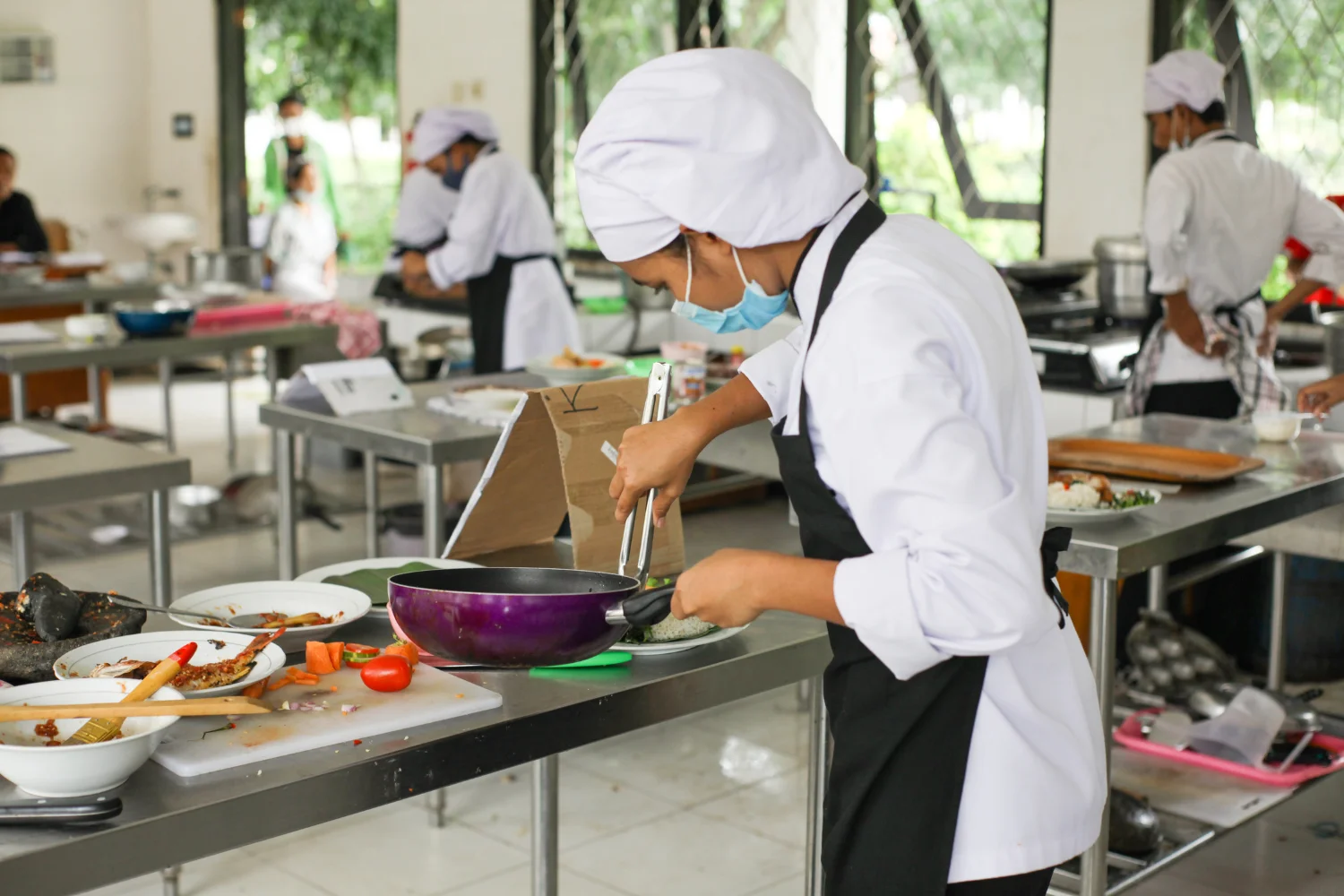
Get the knowledge and confidence to handle food safely with our Online Food Safety Level 1 Course. This beginner-friendly course offers essential food hygiene training for food handlers, hospitality staff, retail workers, volunteers, and anyone involved in food preparation or service.
With our online, self-paced format, you’ll learn key food safety principles, contamination risks, personal hygiene, safe food handling, and workplace responsibilities. Whether you’re starting a new job, meeting training requirements, or improving your food safety knowledge, this course is a convenient way to earn a recognised Food Safety Level 1 certification.
Ensure customer safety, uphold food safety standards, and develop important workplace skills with our Food Safety Level 1 training.
Food Safety Level 1 is a basic food hygiene and safety course for people who handle food or work in food-related jobs. It teaches essential knowledge about food safety, how to prevent contamination, maintain good hygiene, and support safe food handling.
Often called the Food Hygiene Level 1 Course, this training is perfect for newcomers to the food industry or those with limited roles in food preparation, storage, serving, or handling. The course highlights key food safety risks and shows how simple actions can protect customers, colleagues, and businesses.
Food Safety Level 1 training teaches basic food hygiene and safety. It helps learners understand:
The goal is to help individuals spot food safety risks and learn how to minimise them in daily food activities.
This food safety awareness course is for anyone who works with food, volunteers, or handles food in daily life. Common participants include:
Food Safety Level 1 is a basic course that teaches how to handle food safely, avoid contamination, and maintain hygiene standards. It also covers food safety responsibilities in the workplace.
Our Online Food Safety Level 1 Course lets learners across the UK complete their training at their own pace. This makes it easy to gain important food hygiene knowledge and obtain a recognised certification.
Food safety training is important for keeping customers and businesses safe. Every year, food contamination and bad hygiene cause illnesses that harm public health, hurt business reputations, and lead to expensive problems for employers.
If you work in a café, restaurant, supermarket, catering service, food warehouse, community organisation, or as a volunteer, knowing food safety principles helps make the environment safer for everyone.
Food safety training in the UK aims to minimise food contamination and prevent illnesses. Unsafe food handling can introduce harmful bacteria, viruses, and allergens into food.
By taking a Level 1 food safety course online, learners will:
Even small mistakes can lead to serious problems. Knowing the basics of food hygiene helps reduce these risks and protects the health of customers, coworkers, and the community.
Food safety protects both consumers and businesses. Poor food hygiene can cause:
Training staff in food hygiene shows a commitment to safe practises and good customer care. Businesses that invest in online food safety training in the UK help build a culture where food safety is understood and followed daily.
Many food safety issues happen because people don’t know the dangers of handling food improperly.
A food safety awareness course teaches learners:
This knowledge boosts employees’ confidence in handling food and encourages them to take responsibility in the workplace.
Food safety is everyone’s job, not just managers or supervisors. Everyone who handles food helps protect customers and keep things clean.
Washing hands properly, keeping work areas tidy, and following safe food handling practises are small actions that can greatly reduce contamination and create a safer food environment.
Food safety training protects customers from getting sick from food. It lowers the chances of contamination, helps businesses follow rules, and improves how food is handled. This training also helps build customer trust and a good reputation.
Completing a Food Hygiene Level 1 Course gives you the basic knowledge to create safer food environments and support the best practises in the food industry.
Anyone who deals with food at work must help keep it safe to eat. This includes jobs in hospitality, catering, retail, food production, community events, and volunteering. Knowing your food safety duties is crucial for maintaining hygiene and protecting public health.
Food Safety Level 1 training aims to teach learners how to prevent contamination and ensure safe food handling practises.
Food safety is a team effort. Employers, managers, supervisors, and food handlers all help make sure food is prepared, stored, served, and handled safely.
Every staff member should know how their actions can impact food safety and understand the procedures that help lower risks.
Here are some everyday responsibilities:
Food businesses in the UK must follow food safety and hygiene rules to protect consumers.
Food Safety Level 1 is a basic course that helps learners understand the importance of food safety procedures, though it doesn’t offer legal advice.
Food handlers need to know that businesses must:
By taking an online food safety course in the UK, learners will understand these responsibilities and how to meet workplace standards.
Every person who handles food affects food safety. Food handlers should:
These easy but crucial steps help reduce contamination and create safer food environments.
Online food hygiene training helps organisations show that employees have learnt important food safety practises.
For businesses, this training can:
For employees, training clarifies workplace expectations and highlights the need to maintain food hygiene at all times.
Food safety responsibilities involve following hygiene rules, preventing contamination, keeping clean, reporting safety issues, handling food properly, and supporting safety standards at work. Everyone who handles food plays a part in keeping consumers safe and following the rules.
Our Food Safety Level 1 Online Course teaches these responsibilities and gives learners the knowledge needed for safe food handling in various UK food settings.
The Food Safety Level 1 Online Course is for anyone who works with food, whether in a job or as a volunteer. It teaches basic food hygiene and safety principles for those who don’t manage food safety systems.
This course is ideal for people new to food-related jobs or those needing an introduction to food safety to help them work safely.
Everyone who works with food should know the basics of food safety. This includes:
Even simple tasks can lead to contamination if proper hygiene practises aren’t used.
Hospitality settings involve regular food preparation and service.
This food safety level 1 training is meant for:
Knowing about food hygiene helps hospitality staff create safer experiences for customers and uphold professional standards.
Food safety awareness is crucial in places where food is shown, packed, stored, or sold.
This course is perfect for:
The training teaches staff how contamination happens and how good hygiene keeps customers safe.
Many charities, community groups, schools, places of worship, and local organisations offer food services through volunteers.
People who prepare, serve, or distribute food can benefit from a food safety awareness course. Examples include:
Knowing basic food safety helps ensure food is handled properly and safely.
Many employers include basic food safety training when new staff members start their jobs. Getting a level 1 food hygiene certificate helps new employees know what is expected and builds a solid base for future food safety training.
If your job involves handling food and you need to learn about food hygiene, this course is a good place to start.
You might find this training helpful if you:
Food Safety Level 1 training is for anyone who handles food, including hospitality staff, catering assistants, retail workers, volunteers, and new employees. It teaches important food hygiene and safe food handling skills for beginners.
Our Food Safety Level 1 Online Course is flexible and convenient for individuals and organisations in the UK. It helps them gain essential food safety knowledge and earn a recognised Food Safety Level 1 certification.
Many learners wonder if Food Safety Level 1 training is suitable for their job or if they need a higher qualification. The answer depends on your work type and responsibilities in a food setting.
Food Safety Level 1 teaches basic food hygiene, while higher-level courses focus on more advanced safety responsibilities and management skills.
The main difference in food hygiene levels is the knowledge and responsibilities of each role.
Qualification Suitable For Main Focus
Food Safety Level 1 Food handlers, volunteers, new employees, support staff Basic food safety awareness and hygiene principles
Food Safety Level 2 Food handlers involved in preparing, cooking, or serving food Safe food handling, food hygiene procedures, and contamination prevention
Food Safety Level 3 Supervisors, managers, team leaders, and business owners Food safety management, monitoring procedures, and legal responsibilities
A Food Hygiene Level 1 Course teaches basic food safety.
Participants will learn about:
This course is perfect for those who need a basic understanding of food safety rather than management skills.
Food Safety Level 2 is designed for people who often prepare, cook, handle, or serve food as part of their job.
The course covers:
Many food businesses require employees who prepare food to have a Level 2 qualification.
Food Safety Level 3 is for people who supervise food operations or manage food safety systems.
This level includes:
Supervisors, managers, team leaders, and food business operators usually complete this level.
If you are new to working with food, volunteer sometimes with food, or need basic food safety knowledge, the Food Safety Level 1 certification is a good starting point.
You might want a higher-level certification if you:
Food Safety Level 1 is for people who need to learn basic food hygiene and safe food handling. If you work in food preparation, cooking, supervision, or food safety management, you may need Level 2 or Level 3 training based on your job.
Our Food Safety Level 1 Online Course is a great way to start learning about food safety in the UK. It helps you gain important knowledge and confidence before moving on to advanced food hygiene qualifications if needed.
Food contamination is a leading cause of foodborne illness and is a major topic in any Food Safety Level 1 Online Course. Understanding how contamination happens helps food handlers keep food safe and protect consumers.
Contamination occurs when harmful substances, germs, or foreign objects mix with food, making it unsafe to eat. Small mistakes during handling, storage, preparation, or serving can raise the risk of contamination.
A vital part of food safety training is learning to recognise and prevent contamination risks to protect food products.
Food contamination happens when food becomes unsafe because of harmful bacteria, chemicals, allergens, foreign objects, or other unwanted substances.
Contamination can occur at any point in the food chain, including:
Knowing these risks is important for safe food handling and protecting public health.
Food contamination has three main types:
Physical contamination happens when foreign objects get into food.
Common examples are:
Even though some contaminants may look harmless, they can lead to injuries, choking, or customer complaints.
To reduce the risk of physical contamination, maintain good housekeeping, follow food handling procedures, and wear protective clothing.
Chemical contamination happens when dangerous chemicals touch food.
Examples include:
This contamination can occur from storing products incorrectly, using them incorrectly, or accidentally transferring them to food preparation surfaces.
To prevent chemical contamination, storage must be proper, labels need to be clear, and workplace procedures should be followed.
Biological contamination is a major food safety risk because it can cause sickness.
Common biological contaminants are:
These germs can grow quickly in certain conditions and may not be visible, which makes them very dangerous.
Some harmful bacteria that can contaminate food are Salmonella, E. coli, and Listeria.
Good hygiene and safe food handling reduce the risk of biological contamination.
Cross-contamination happens when harmful germs or allergens move from one surface, person, or food to another.
Common causes include:
Preventing cross-contamination is crucial for food safety and is a key part of online food hygiene training.
Food handlers can lower contamination risks by following simple practises.
These include:
These steps are essential for basic food safety training and help ensure safer food handling in the workplace.
Food contamination mainly comes in three forms:
Knowing these risks is essential for Food Safety Level 1 training. It helps learners understand how to handle food safely, prevent foodborne illnesses, and maintain food safety standards in any setting.
Personal hygiene is crucial for food safety. Food handlers may unknowingly spread harmful bacteria, viruses, allergens, or other contaminants if they don’t follow good hygiene practises.
That’s why staying clean is essential in any food-related area. A main goal of Food Safety Level 1 training is to teach learners how good personal hygiene leads to safe food handling and protects consumers from foodborne illness.
Food can get contaminated when it comes into contact with people who are handling, preparing, serving, or transporting it.
Poor personal hygiene can cause:
Good hygiene practises help reduce these risks and create a safer food environment for everyone.
Hand washing is an easy and effective way to prevent contamination. Food handlers should wash their hands thoroughly:
Clean hands stop harmful germs from getting onto food, equipment, and surfaces.
Food handlers must stay clean at work.
Good hygiene practises include:
These steps help lower contamination risks and promote good food hygiene.
Food handlers must report any illnesses or symptoms that could harm food safety. Symptoms to watch for include:
Handling food while sick can lead to contamination and endanger the health of customers and coworkers. Workers should notify their employers about any symptoms or health issues, following workplace rules.
Food environments often require staff to wear proper clothing or gear to maintain hygiene. This may include:
Staff should keep their clothing clean and use it properly to ensure safe food handling.
Some actions can lead to contamination and should be avoided when handling food. Examples include:
Knowing these risks helps food handlers keep hygiene standards high throughout the day.
Good personal hygiene is essential for food safety and helps ensure safe food preparation, storage, and serving.
When food handlers know and follow hygiene rules, they help:
Personal hygiene keeps food safe by stopping harmful germs and allergens from spreading. Food handlers must wash their hands well, stay clean, wear the right clothes, and report any illnesses.
Our online Food Safety Level 1 Course teaches the hygiene standards needed in food settings. It builds knowledge and confidence for handling food safely across the UK.
Safe food handling is essential for good food safety management. Everyone who handles food must keep it safe, clean, and fit to eat at all stages.
From receiving to storing, preparing, transporting, serving, and selling food, using safe food handling practises helps prevent contamination, lower health risks, and ensure high hygiene standards.
The main goal of Food Safety Level 1 training is to teach learners how to spot food safety risks and use simple yet effective controls in the workplace.
Safe food handling means taking steps to keep food clean and safe for people to eat.
This includes:
By following these steps, food handlers can lower the chance of food-related illnesses and ensure the workplace follows safety standards.
A key part of safe food handling is preventing cross-contamination. This happens when harmful bacteria, allergens, or other contaminants move from one surface, food item, person, or tool to another. Food handlers can prevent cross-contamination by:
Understanding contamination risks is an essential part of food safety training.
Store food properly to keep it fresh and safe from contamination.
Here are some good practises for food storage:
Good food storage helps keep food safe and reduces waste.
Equipment, utensils, and food preparation surfaces can get contaminated if not used or cared for properly.
Food handlers should:
Keeping equipment clean helps make food handling safer and supports food safety in the workplace.
Every workplace should have rules to ensure safe food handling and reduce food safety risks.
Food handlers should:
By following these rules, we can create a safer environment for everyone.
Small daily actions greatly affect food safety.
Good food handling habits include:
These habits lower contamination risks and promote a strong food safety culture.
Good food handling practises keep people safe from foodborne illnesses and help food businesses succeed.
Benefits include:
By learning and using these practises, food handlers create safer food environments throughout the UK.
Safe food handling practises are steps to avoid contamination and keep food safe to eat. These include good hygiene, correct food storage, preventing cross-contamination, keeping equipment clean, and following safety rules at work.
Our Food Safety Level 1 Online Course teaches learners the basics of safe food handling. It provides the knowledge needed to uphold food hygiene standards in various food-related jobs.
Cleanliness is vital for food safety. Even if food is handled well, poor cleaning can let harmful bacteria, viruses, and allergens spread.
A clean workplace lowers contamination risks, keeps consumers safe, and meets the high standards in food settings. That’s why cleaning and hygiene are key topics in our Food Safety Level 1 Course Online.
Knowing the difference between cleaning and sanitising, along with good workplace hygiene, helps food handlers make food preparation and service safer.
Food prep areas, tools, storage, and surfaces can cause contamination if not cleaned well.
Bad hygiene can lead to:
Keeping a clean environment reduces these risks and promotes safe food handling.
Cleaning means getting rid of dirt, food scraps, grease, dust, and other unwanted stuff from surfaces, equipment, and work areas.
Examples of cleaning tasks are:
Regular cleaning keeps areas hygienic and readies surfaces for additional hygiene steps if needed.
Sanitising reduces harmful germs on surfaces to safe levels.
Cleaning gets rid of visible dirt, while sanitising controls bacteria and other germs that might stay on equipment or surfaces.
In food settings, cleaning and sanitising work together for better food safety.
Food handlers should always use approved cleaning and sanitising products as directed by workplace procedures.
Food preparation areas must be clean, organised, and free from contamination risks.
Here are some good hygiene practises:
A clean environment helps ensure safe food handling and supports professional standards.
To avoid contamination, keep food contact equipment and utensils clean.
Examples include:
Food handlers must clean equipment following workplace steps and check it for cleanliness before using it.
Poor waste management can lead to hygiene issues and increase the risk of contamination.
Good waste handling practises include:
Effective waste management helps maintain workplace hygiene and supports food safety standards.
Workplace hygiene is more than just cleaning. It’s about building a culture that values cleanliness and food safety.
When employees follow hygiene procedures, businesses see:
A focus on cleanliness creates a professional environment where everyone shares the responsibility for food safety.
Cleaning gets rid of dirt, food scraps, and visible germs, while sanitising kills harmful germs on surfaces. Together, they help prevent food contamination, keep the workplace clean, and ensure safe food handling.
Our Food Safety Level 1 Course Online teaches the importance of cleaning, sanitising, and workplace hygiene. It gives learners essential knowledge for food environments across the UK.
Pests can seriously threaten food safety. They may contaminate food, damage packaging, spread harmful germs, and create hygiene issues for customers and businesses.
This is why pest awareness is vital in Food Safety Level 1 training. Food handlers aren’t usually in charge of pest control, but they should know how pests can impact food safety and recognise warning signs of a problem.
Keeping a clean and hygienic environment is one of the best ways to reduce pest activity in places that handle food.
Pests can carry harmful germs that may get into food, equipment, storage areas, and prep surfaces.
If pests enter food areas, they can cause:
Preventing pests is crucial for keeping food safe and protecting public health.
Food places can attract many pests if they don’t keep clean. Common pests include:
These pests are drawn to food, waste, moisture, and hiding spots.
Food handlers need to watch for signs of pests.
Common signs include:
Report any signs of pests right away, following workplace rules.
Good housekeeping and hygiene are key to preventing pests. Food handlers can lower risks by:
These easy steps make food environments less appealing to pests and help ensure food safety.
Poor waste management leads to more pests. To prevent pests at work, you should:
Good waste management helps keep the workplace clean and prevents pests.
Food handlers are key to spotting pest problems. If you see signs of pests, do the following:
Reporting early can stop small issues from becoming bigger food safety risks.
Pest awareness helps businesses create safer food environments and lower contamination risks.
Benefits of good pest prevention include:
When food handlers understand pest risks, they can help build a strong food safety culture.
Pest awareness is essential because pests can spoil food, spread germs, damage packaging, and cause cleanliness issues. Keeping areas clean, managing waste, storing food properly, and reporting problems early can help prevent risks related to pests.
Our Food Safety Level 1 Online Course teaches the importance of pest awareness in food safety. It gives practical tips for maintaining clean, safe, and hygienic food environments across the UK.
Many food safety problems happen not from carelessness, but from simple mistakes that people miss during daily tasks. Knowing common food hygiene errors can help food handlers lower contamination risks, protect consumers, and keep workplace standards high.
A main goal of Food Safety Level 1 training is to help learners spot these mistakes and see how small actions can greatly affect food safety.
By understanding common risks, food handlers can build safer working habits and help create a better food safety culture.
Not washing hands properly is a common food safety mistake.
Dirty hands can spread harmful germs to food, tools, and surfaces.
Here are some examples:
Washing hands regularly and thoroughly is one of the best ways to keep food safe.
Cross-contamination happens when harmful germs or allergens move from one place to another.
Here are some everyday examples in the workplace:
To keep food safe, preventing cross-contamination is essential.
Food handlers who don’t keep good hygiene can raise the risk of contamination. Here are some examples:
Keeping good personal hygiene protects both food and customers.
Rushed, uneven, or overlooked cleaning can leave harmful germs in the workplace. Common mistakes include:
Cleaning and sanitising regularly keep food prep areas hygienic.
Improper food storage can lead to contamination and spoilage. Examples include:
Good storage practises promote food safety and keep food fresh.
Pest problems can pose serious food safety risks if you don’t report them quickly. Common mistakes are:
Reporting issues early can stop small problems from turning into big food safety concerns.
Food safety procedures help lower risks and keep things consistent at work.
Common mistakes include:
Following workplace procedures ensures food is handled safely and responsibly.
Food handlers can make food safer by:
These habits lower contamination risks and create a safer food environment.
Common food safety mistakes include not washing hands well, cross-contamination, insufficient cleaning, poor personal hygiene, incorrect food storage, ignoring pests, and not following food safety rules. These mistakes raise the risk of contamination and lower food safety standards.
Our Food Safety Level 1 Course Online teaches learners how to spot and avoid these food hygiene mistakes. It offers practical knowledge that can be used right away in food-related jobs across the UK.
Our Food Safety Level 1 Online Course gives learners a solid foundation in food hygiene and safety. It covers key principles that all food handlers need to know to keep food environments safe and reduce contamination risks.
This course is useful for newcomers to the food industry, volunteers in food-related activities, or anyone needing workplace training. You’ll gain practical knowledge that you can use right away.
By the end of the training, you will understand your food safety responsibilities and the importance of maintaining hygiene.
After finishing this Food Safety Level 1 training, learners will be able to:
The course includes key topics in food safety, such as:
Learn why food safety is important and how bad hygiene can impact consumers, businesses, and public health.
Learn the basic principles of safe food handling and hygiene standards.
Explore the importance of hand washing, cleanliness, protective clothing, and personal responsibilities in food environments.
Learn about physical, chemical, and biological contamination and how these hazards impact food safety.
Learn the practical steps food handlers can take to lower contamination risks.
Learn why it’s important to keep workplaces, equipment, and food prep areas clean.
Pests can make food unsafe. Good cleaning habits can help keep pests away and reduce risks.
Understand how people help keep food safe at work and why it’s important to follow the rules.
This food safety awareness course teaches practical skills instead of complicated details.
Learners will learn about:
This knowledge is useful in many food-related settings, benefiting both individuals and employers.
Completing a food hygiene level 1 course boosts learners’ confidence in handling food and performing food duties.
The course teaches:
This confidence helps learners improve workplace food safety and fosters a culture of responsibility and awareness.
Food Safety Level 1 teaches the basics of food hygiene. This includes understanding food contamination risks, personal hygiene, safe food handling, cleaning, pest awareness, and individual responsibilities for food safety. Learners gain the knowledge to create safe food environments and maintain good hygiene.
Our Online Food Safety Level 1 Course offers a practical introduction to food safety. It helps learners across the UK build the knowledge and confidence needed for safe food handling in the workplace.
Food safety training benefits both people and organisations. If you’re starting a new job, volunteering in food settings, or want to boost your workplace skills, taking a Food Safety Level 1 Course Online can help you understand safe food handling.
This basic qualification gives you important food hygiene knowledge that applies to many food environments in the UK.
Food Safety Level 1 training helps people understand food safety risks better.
Learners will see:
This knowledge helps people spot risks early and encourages safer work habits.
Employers must ensure that staff know food safety rules and hygiene practises.
Training staff in food hygiene benefits organisations by:
Although training doesn’t guarantee compliance, it helps maintain food safety standards in the workplace.
Many people starting food jobs have little experience. A food safety awareness course helps them feel more confident in their tasks by teaching them about:
When people feel more confident, they often perform better and are more committed to following food safety practises.
Food safety is about keeping people safe.
With basic food safety training, learners can:
Even small actions can significantly improve food safety.
A Food Safety Level 1 certification shows a commitment to workplace standards and personal growth.
For those looking for jobs in food-related industries, taking a food hygiene course in the UK can enhance job applications for positions in:
Employers often prefer candidates with basic food safety knowledge.
Food safety training in the UK can be used in many workplaces.
Examples include:
This flexibility makes the course useful for both people and organisations.
Because the course is online, learners can train when it fits their schedule.
Benefits include:
This flexibility helps you get a recognised food safety certificate online while managing work and personal life.
Organisations gain when employees understand food hygiene and safe work practises.
Training helps by:
Investing in staff development shows a commitment to keeping food environments safe and professional.
Food Safety Level 1 training boosts awareness of food safety, helps businesses follow rules, builds confidence, improves job prospects, lowers contamination risks, and encourages safe food handling. It gives important food hygiene knowledge for individuals and organisations in the UK.
Our Food Safety Level 1 Online Course offers a practical and flexible way to learn about food safety. It helps learners protect consumers, meet workplace standards, and feel more confident when handling food.
Today’s learners need training that works around their work, family, and personal lives. That’s why our Food Safety Level 1 Course Online is flexible. Learners can complete their training at their own pace.
Whether you’re an individual wanting a Food Safety Level 1 certification or a company training several employees, online learning provides a convenient and effective way to gain important food hygiene skills without attending a classroom.
Online food hygiene training has a major advantage: you can study whenever it suits you.
Unlike traditional classes, you don’t have to travel or stick to a strict schedule. Learners can:
This flexibility makes the course great for busy professionals and first-time learners alike.
Our online food safety course in the UK is easy to access.
You can take the course:
As long as you have internet and a compatible device, you can continue your training whenever you want.
Many learners like online study because it eliminates the need to attend scheduled classes.
Benefits include:
This makes online food safety training in the UK a practical option for both individuals and organisations.
Online learning works well for many types of learners.
People can train on their own, and organisations can use the course to help their teams with skills and food safety knowledge.
This flexibility is ideal for:
The course content is clear, engaging, and easy for beginners.
Learners follow key food safety topics in a logical order, helping them build knowledge step by step.
This method supports:
Taking time off work for training can be hard for many people. An online food safety certificate helps learners earn important qualifications without interrupting their regular duties. This is especially helpful for:
Online learning makes it easier for everyone to improve their skills.
Online training offers a quicker way to learn by cutting down costs linked to traditional classrooms.
Organisations can train their staff more easily, and individuals can learn important information without spending time or money on travel.
This approach makes food safety training in the UK available to more learners and businesses.
Many learners prefer online training for several reasons:
These advantages make online learning a popular option for food safety awareness training.
Completing the Food Safety Level 1 online lets learners study at their own pace. They can access training anytime, anywhere in the UK, without needing to attend a classroom. This provides a flexible way to earn a recognised food safety qualification.
Our Food Safety Level 1 Online Course offers flexibility and practical knowledge, making it a great choice for individuals and organisations looking for effective online food safety training in the UK.
Food safety training is key to raising awareness, supporting hygiene standards, and showing a commitment to safe food handling. After finishing our Food Safety Level 1 Course Online, learners get a certificate that proves they understand basic food safety.
This certificate shows that the learner has finished Food Safety Level 1 training. It confirms they have important knowledge about food hygiene, preventing contamination, personal hygiene, workplace cleanliness, and food safety responsibilities.
Once learners finish the course and pass any tests, they will get a Food Safety Level 1 certificate.
This certificate shows that they have learnt important food safety topics, including:
Employers can use this qualification as proof of training for their records.
A food safety certificate gained online can help with job opportunities now and in the future.
Learners can use their certificate to:
Many employers appreciate workers who have taken online food hygiene training and recognise the importance of safe food handling.
Businesses keep staff training records to support internal processes and show commitment to food safety.
The Level 1 Food Hygiene Certificate helps organisations by:
Training records are part of a larger effort to maintain high standards in food-related environments.
Food safety training in the UK is important for many industries that handle, store, prepare, serve, or distribute food.
The certificate can help people working in:
This makes the qualification useful in various workplaces.
For people starting in the food industry, a Food Hygiene Level 1 Course is a great way to begin.
This certification shows that the learner is eager to learn about food safety and values hygiene standards.
For current employees, the course can promote continued learning and boost confidence in food-related tasks.
Students can complete the course online, so they don’t need to go to a classroom.
Key benefits include:
This flexibility lets students earn a recognised qualification while managing their other commitments.
Food safety training makes food environments safer, and certification shows official proof of what someone has learnt.
Benefits of certification include:
For individuals and employers, certification shows a commitment to high food hygiene standards.
After finishing the Food Safety Level 1 Course Online, learners get a Food Safety Level 1 Certificate. This confirms their knowledge of food hygiene, contamination risks, safe handling practises, workplace cleanliness, and food safety duties.
Our online course offers an easy way to earn a recognised food safety certificate. It helps individuals and organisations in the UK learn important food safety skills and promotes safer food handling.
Food safety is not just up to one person. It’s crucial for running a professional and customer-friendly business. Companies that train their staff create safer food environments, raise workplace standards, and promote a culture of food safety.
Our Food Safety Level 1 Course Online works for businesses of all sizes that need essential food hygiene training for their employees. Whether you have a small team or a large workforce, online training is a practical and cost-effective way to boost food safety knowledge in your organisation.
Employees are key to keeping food safe. Even small errors can lead to contamination, waste, customer complaints, and harm to the business’s reputation.
Food safety training in the UK helps staff learn about:
Well-trained employees can spot risks, follow rules, and help create a safer workplace.
Food businesses must follow good hygiene standards and make sure their employees know safe work practises.
Training is a key part of a successful food safety system. Offering a food safety awareness course helps organisations to:
Regular training ensures employees understand the importance of food safety and their role in upholding standards.
Our online food safety training in the UK is for businesses and organisations in many sectors.
These include:
The course offers a practical introduction to food hygiene principles that you can use in different food-related settings.
Training staff can be tough, especially when they work different shifts or in different places.
With online courses, employees can:
This flexibility reduces interruptions to daily work and ensures staff get important food safety training.
Online food hygiene training has several benefits for organisations:
Training shows that the organisation values food safety, professionalism, and growth.
Many organisations provide basic food safety training during employee orientation.
This training introduces new employees to:
This prepares employees to understand what is expected of them in their roles.
Our Food Safety Level 1 Course Online is a flexible option for training one employee or your whole team. The online format helps organisations to:
Businesses should offer Food Safety Level 1 training to raise staff awareness, ensure compliance, lower contamination risks, encourage safe food handling, and enhance hygiene standards.
Our Food Safety Level 1 Online Course offers a flexible and effective training option for businesses, charities, schools, hospitality providers, retailers, and organisations in the UK aiming to create a safer and better-informed workforce.
Choosing the right training provider is as important as picking the right course. At Basic Life Support Training, we focus on providing accessible, practical, and high-quality training that helps people and organisations build essential skills and knowledge confidently.
Our Food Safety Level 1 Online Course offers a simple learning experience that combines flexibility and convenience with practical food safety knowledge. Whether you are training for personal growth, job requirements, or compliance, we make learning easy, engaging, and effective.
Basic Life Support Training offers workplace training for individuals, employees, volunteers, and organisations in the UK.
We focus on providing training that is:
Our goal is to help learners gain knowledge they can confidently use in their daily work.
Modern learners need flexibility. Our online food safety course in the UK offers you:
This flexibility makes training easier for individuals and organisations.
You don’t need any previous food safety experience to take this course.
Our Food Hygiene Level 1 Course uses simple, clear language. It’s perfect for:
The course emphasises practical food safety awareness instead of complicated terms.
The training teaches food safety rules that learners can use right away at work.
The topics include:
This hands-on approach helps learners grasp what to do and why food safety matters.
Whether you want to get a Food Safety Level 1 certification for yourself or train several employees, our course is a convenient option.
We support:
Our online learning platform makes it simple to provide consistent food safety training for teams and organisations.
After completing the course, learners get a recognised Food Safety Level 1 Certificate that shows their food hygiene knowledge and training.
Benefits include:
This lets learners earn a recognised qualification without attending classes.
At Basic Life Support Training, we think training should be clear, easy to access, and hands-on.
Our programme helps learners to:
We aim to help learners succeed and use their knowledge effectively in food-related settings.
Learners and organisations choose us because we provide:
These benefits make our Food Safety Level 1 Course Online a reliable option for food safety training in the UK.
Basic Life Support Training offers flexible online courses that you can complete at your own pace. The training covers practical food safety tips, is easy for beginners, and provides recognised certification. This makes learning convenient for individuals and organisations across the UK.
Our goal is to help learners gain the knowledge and confidence to handle food safely and maintain high hygiene standards in any food-related setting.
Learn important food hygiene skills, boost your food safety awareness, and earn a Food Safety Level 1 certificate with our flexible online course.
If you’re starting a new job, working in hospitality or retail, volunteering with food, or wanting to enhance your workplace knowledge, our Food Safety Level 1 Online Course is a convenient way to learn the basics of food safety and hygiene.
With fully online lessons, self-paced learning, and access across the UK, you can complete your training whenever and wherever it works best for you.
Want to get a food safety certificate online for a job, personal growth, or workplace needs?
Our Food Hygiene Level 1 Course helps you gain confidence and understand food safety rules. You’ll learn how to handle food safely in different work environments.
Sign Up Online Today and Begin Your Food Safety Level 1 Training Right Away.
Our online food safety training in the UK is a flexible and scalable option for businesses in hospitality, retail, charities, schools, catering, and community groups. It helps improve food hygiene awareness and ensures workplace compliance.
Benefits for organisations include:
If you need food safety training for your team or organisation, contact Basic Life Support Training. We can help you with your needs and show you how our Food Safety Level 1 training can improve your workforce and meet your food safety goals.
Food safety begins with knowledge. Our Food Safety Level 1 Course Online teaches you key food hygiene rules, how to prevent contamination, personal hygiene standards, and safe food handling practises.
Whether you’re learning on your own or training a team, we’re here to help you succeed.
Enrol online today to gain the important food safety skills needed to create safer food environments across the UK.
Learn essential food hygiene skills and earn a recognised Food Safety Level 1 certification with our flexible online course.
This course is great if you’re starting a new job, working in hospitality or retail, volunteering with food, or wanting to boost your workplace knowledge.
You can study the basics of food safety and hygiene at your own pace, anytime and anywhere in the UK.
Want a food safety certificate online for work or personal growth?
Our Food Hygiene Level 1 Course can boost your confidence and understanding of food safety. You’ll learn how to handle food safely in different job settings.
Sign up online today and begin your Food Safety Level 1 training right away!
Need to train your staff?
Our online food safety training in the UK offers a flexible solution for businesses, restaurants, retailers, charities, schools, catering companies, and community groups wanting to boost food hygiene awareness and meet workplace standards.
Benefits for your organisation include:
If you need food safety training for your team or organisation, contact Basic Life Support Training today. We can help you understand how our Food Safety Level 1 training can enhance your workforce and meet your food safety goals.
Food safety begins with knowledge. By taking our Food Safety Level 1 Course Online, you’ll learn about food hygiene, how to prevent contamination, personal hygiene rules, and safe food handling.
Whether you’re training alone or improving your team’s knowledge, we’re here to help you succeed.
Enrol online today to gain the essential food safety skills needed for safer food environments in the UK.


Basic Life Support Training provides practical first aid and life support training for individuals and organisations across London and the UK.
64 Broadway, London, E15 1NT, United Kingdom.
+44 790 317 7781
info@basiclifesupporttraining.co.uk
Copyright © 2026, Basic Life Support Training | All Rights Reserved.
Reviews
There are no reviews yet.