
£35.00

Learn to identify fire hazards, lower fire risks, and respond to emergencies with our online Introduction to Fire Safety in the Workplace course. This course is for employees, employers, supervisors, and teams in the UK. It provides important knowledge to help create safer work environments.
No matter your workplace is office, retail, warehouse, hospitality, or healthcare, Understanding fire safety is essential for safety and compliance. The course covers key topics like fire hazards, prevention steps, emergency evacuation, fire detection systems, and how to use fire extinguishers.
You can study at your own pace and access the course anytime, from anywhere in the UK. Upon completing the course, you’ll receive your fire safety certification online. It’s perfect for individuals and organisations wanting practical fire safety training.
Workplace fire safety means the steps taken to stop fires, keep people safe, and reduce damage to property and business. This includes finding fire hazards, lowering fire risks, ensuring safe exit plans, and teaching employees how to react during a fire emergency.
In simple terms, workplace fire safety aims to create a safe space for employees, visitors, customers, and contractors against fire dangers. Good fire safety practises help prevent incidents and ensure everyone knows how to respond if a fire occurs.
Fire safety is a key part of health and safety in the workplace. It applies to almost every industry in the UK, including offices, stores, warehouses, hotels, healthcare settings, schools, and factories.
Fire can spread quickly and lead to serious injuries, loss of life, property damage, business interruption, and financial losses. Even a small fire can have serious effects if workers don’t know about fire risks and emergency procedures.
By taking an Introduction to Fire Safety in the Workplace course, learners will understand:
Effective workplace fire safety includes:
This online fire safety course in the UK teaches important information to increase fire awareness, help businesses follow safety rules, and make workplaces safer across the country.
Fire can seriously harm people, property, and businesses. Many workplace fires can be prevented, but they can still happen suddenly and spread fast, putting lives in danger and causing big disruptions. That’s why fire safety training is crucial for a safe workplace.
Good fire safety training teaches employees how fires start, how to spot dangers, and what to do in an emergency. When staff are well-trained, they can identify risks sooner, follow safety practises, and respond calmly in a fire situation.
The main goal of fire awareness training at work is to keep people safe. Fires create extreme heat, harmful smoke, and quickly changing situations that can make it hard to escape.
By taking a fire safety course, employees can learn how to:
Being more aware of fire safety can greatly improve overall safety and protect everyone in the workplace.
A fire at work can severely damage buildings, equipment, inventory, documents, and important infrastructure. Often, the financial costs go beyond just the damage from the fire.
Fire prevention training helps companies lower the chances of fires by promoting safer habits and increasing awareness of daily risks. Simple actions like reporting broken electrical equipment or keeping fire exits clear can prevent serious incidents.
A fire can interrupt operations for days, weeks, or even months. Businesses may experience lost revenue, damaged reputations, cancelled contracts, and costly recovery expenses.
Investing in fire safety training for staff helps organisations strengthen their overall safety culture and reduce the risk of workplace disruptions. Employees who understand fire prevention at work play an important role in maintaining a safer and more resilient business environment.
Fire safety isn’t just for managers or fire marshals. Every employee plays a role in keeping the workplace safe with their actions and awareness.
A strong fire safety culture encourages staff to:
Employers must create a safe workplace and provide workers with the right health and safety information and training. Taking an online fire safety course shows that a company cares about safety and meets important standards.
If you’re an employee wanting to learn more or an employer looking for fire safety training for your staff, fire awareness education is a valuable investment. It helps safeguard people, property, and business operations across the UK.
Fire safety is both a legal and practical duty in every workplace. In the UK, employers and managers must take reasonable steps to keep employees, visitors, contractors, and the public safe from fire risks.
Knowing about fire safety responsibilities helps organisations create safer spaces, lower the chances of incidents, and follow UK fire safety laws.
In most workplaces, the employer, business owner, building manager, or a designated person is responsible for fire safety. This person must ensure that fire safety measures are in place and that employees get the necessary information and training.
However, fire safety isn’t just the management’s job. Employees also have a key role by following safety procedures, reporting hazards, and engaging in fire safety plans.
To maintain a safe workplace, organisations should:
These measures help reduce fire risks while ensuring people know how to respond in an emergency.
One of the best ways to promote fire safety at work is through employee education. Workers who know about fire hazards can better prevent accidents and respond effectively in emergencies.
This fire safety course teaches:
Offering fire safety training shows a commitment to workplace safety and helps employees understand their role in keeping the environment safe.
Every employee is responsible for workplace safety. Employers set up the systems and procedures, but employees need to follow them.
Employees should:
Small actions taken by individuals can make a significant difference in preventing workplace fires and supporting safe evacuations.
Compliance means more than just following laws. Good fire safety management saves lives, lowers risks, reduces disruptions, and fosters a strong safety culture in the organisation.
Taking the Introduction to Fire Safety in the Workplace (Online) course helps both employees and employers understand UK fire safety best practises . This knowledge improves awareness, boosts compliance, and creates safer workplaces across the UK.
Fire safety is everyone’s job. No matter your industry, role, or workplace size, employees need to know basic fire safety and how to react in emergencies. This online fire safety training course is for individuals and organisations that want practical fire awareness training for a safer workplace.
Whether you’re a new hire, a seasoned worker, a supervisor, or a business owner, learning about fire safety can lower risks, boost emergency readiness, and help meet workplace safety regulations.
Employees often spot fire hazards at work. Knowing common risks, emergency procedures, and fire prevention tips helps them create a safer workplace.
This fire safety awareness training course provides employees with the knowledge needed to:
Employers and managers are essential for promoting workplace safety and making sure staff know fire safety procedures. A workplace fire safety course helps managers understand:
A well-informed workforce can help reduce risks and strengthen the overall workplace safety culture.
New employees might not know the fire procedures, emergency exits, or safety rules at work. This online fire safety training course in the UK is a great way to learn about fire safety and can also help current staff refresh their knowledge.
Since the course is fully online and self-paced, learners can finish it whenever they want, gaining important skills they can use right away at work.
Fire safety awareness is important for all workplaces, from small businesses to large organisations. This UK fire awareness course offers a flexible and affordable way to train individuals, teams, and entire workforces.
No prior experience or special knowledge is needed, making it a perfect Level 1 fire safety course for anyone wanting to learn more about workplace fire safety and emergency preparedness.
Understanding the difference between fire hazards and fire risks is crucial for workplace fire safety. Identifying dangers before they cause problems helps prevent fires and makes the environment safer for everyone.
Most workplace fires can be avoided if employees know how to spot potential hazards and take action to report or fix them.
A fire hazard is anything that can start a fire or help it spread. You can find fire hazards in almost every workplace, no matter the industry or type of business.
Common workplace fire hazards include:
Identifying these hazards early can significantly reduce the likelihood of a fire occurring.
A fire risk is the chance that a fire hazard can harm people, property, or business activities.
For instance, a portable heater can pose a fire hazard if it is near paper, cardboard, or other flammable items. This greatly increases the risk of a fire.
Knowing about hazards and risks helps employees make safer choices and follow best practises for fire safety in the workplace.
Every workplace has unique fire risks, but some are commonly found across a wide range of industries.
Examples include:
Even small problems can raise the risk of a workplace fire if not fixed quickly.
Employees can spot changes in their work environment and identify fire hazards. Reporting issues early can stop them from becoming emergencies.
Good workplace fire awareness training helps employees:
Fire safety focuses on both prevention and emergency response. By knowing common risks and staying alert to hazards, organisations can lower the chances of fires and make workplaces safer.
The Introduction to Fire Safety in the Workplace (Online) course teaches learners how to spot fire hazards, understand fire risks, and create safer work environments in various UK workplaces.
Many workplace fires start from everyday activities, tools, and routines that seem safe at first. Knowing the common causes of these fires is crucial for enhancing fire safety, lowering risks, and promoting fire prevention at work.
By understanding how fires can begin, both employees and employers can take steps to prevent incidents and create a safer workplace.
Electrical problems are a major cause of workplace fires. Broken wiring, faulty appliances, overloaded outlets, and unmaintained equipment can create heat and sparks that can ignite nearby materials.
Common electrical fire risks include:
Regular inspections and prompt reporting of faults can significantly reduce these risks.
A messy workplace can help a fire start and spread faster. Extra waste, cardboard boxes, paper, packing materials, and flammable trash can all cause fire risks.
Bad cleaning habits can also block emergency exits and escape routes, making emergencies more dangerous.
Good housekeeping practises should include:
Many workplaces keep products that can catch fire easily, like cleaning chemicals, fuels, solvents, and aerosols.
Storing these materials incorrectly or near heat sources raises the risk of fire.
Employees must always follow workplace rules for safely handling and storing flammable materials.
Staff kitchens, canteens, and catering areas can be fire hazards if cooking equipment is left unattended or misused.
Common examples include:
Awareness and proper use of kitchen facilities can help prevent avoidable workplace fires.
Smoking restrictions have cut down smoking-related incidents, but thrown-away cigarettes and smoking in unauthorised areas can still lead to fires.
Employers should clearly mark designated smoking areas and ensure that smoking materials are disposed of safely.
Portable heaters, radiators, and other heating devices can cause fires if they are too close to flammable materials.
Examples include:
Maintaining safe distances and following workplace safety procedures helps minimise these risks.
Many workplace fires happen due to simple mistakes instead of equipment failures. We can prevent human error with good fire safety training and better awareness.
Examples of mistakes include:
Regular fire safety training helps employees see the importance of safe practises and their own responsibility.
Most workplace fires give warnings before they happen. There are usually signs of hazards or unsafe practises that can be spotted and fixed.
By knowing what causes workplace fires, employees can:
This online fire safety course in the UK teaches learners how to identify common fire risks, understand how fires start, and help create a safer workplace.
Preventing a fire is better than dealing with its aftermath. Good fire prevention keeps employees, visitors, property, equipment, and business activities safe while lowering the chances of a workplace fire.
Fire prevention is everyone’s job. It requires safe work habits, awareness of hazards, regular maintenance, and a commitment to safety. Simple precautions can greatly reduce fire risks.
A clean and organised workplace greatly reduces fire risks. Waste, clutter, and flammable items can feed a fire and help it spread quickly.
Good housekeeping practises include:
Maintaining a tidy workplace not only improves safety but also supports efficient emergency evacuation if required.
Electrical faults are a common cause of workplace fires. Using equipment correctly and maintaining it well can greatly lower the risk of fires.
Employees should:
Regular inspections and maintenance catch potential problems before they become serious hazards.
Many workplaces use flammable products. Following proper storage procedures can lower the risk of accidental fires.
Examples of safe storage practises include:
Proper storage controls form an important part of workplace fire safety UK best practises.
In an emergency, employees need to exit the building quickly and safely. Blocked exits or crowded escape routes can endanger lives.
Workplaces should ensure:
Regular checks help ensure evacuation routes remain usable at all times.
Workplace fires can often be prevented by following safety procedures. Employees should know their roles and stick to fire safety rules.
Safe working practises include:
A strong safety culture encourages everyone to take fire prevention seriously.
Fire safety systems are vital for keeping workplaces safe. Inspect, test, and maintain equipment following workplace rules and expert advice.
Examples include:
Reliable fire safety equipment helps improve early detection and emergency response capabilities.
To prevent fires, it’s crucial that employees understand the risks in the workplace and know how to reduce them. When staff are aware of possible dangers, they can spot issues early and act quickly.
Good fire safety training helps employees:
Fire prevention relies on awareness, planning, safe actions, and effective controls. When employers and employees collaborate, the chances of fires in the workplace decrease.
The Introduction to Fire Safety in the Workplace (Online) course offers practical fire prevention training. It helps learners see how their daily actions lead to safer workplaces and better fire safety standards across the UK.
Fire safety isn’t just up to employers, managers, or fire marshals. Every employee must help keep the workplace safe and prevent fires. Knowing individual responsibilities is key to fire safety training and builds a stronger safety culture in the organisation.
Employees who know their fire safety roles can spot hazards, follow procedures, and respond well in emergencies.
Every workplace should have fire safety procedures to protect people and reduce risks. Employees must learn these procedures and follow them regularly.
This includes:
Following established procedures helps ensure a safe and organised response during an emergency.
Employees usually spot fire hazards in the workplace. Reporting these concerns quickly can stop small issues from becoming big problems.
Here are some examples of hazards to report:
Prompt reporting supports effective fire prevention at work and helps maintain a safer workplace for everyone.
Emergency exits and evacuation routes must always be clear. Employees should not block these areas with equipment, stock, furniture, or personal items. Keeping escape routes clear helps everyone exit the building quickly and safely in case of a fire.
Using electrical equipment and machinery unsafely can raise the risk of fire. Employees must follow workplace rules and manufacturer instructions when using equipment.
Good practise includes:
Safe equipment use is a key component of workplace fire safety in the UK’s best practises.
Fire safety knowledge must stay current. Employees should take part in fire safety training, refresher courses, and evacuation drills as needed.
Training helps employees:
This online fire safety course gives employees useful knowledge they can apply right away at work.
If a fire alarm goes off, employees must follow the evacuation procedures immediately. Staying calm and acting fast can save lives and ensure a safe exit.
Employees should:
Understanding these actions before an emergency occurs can improve safety outcomes significantly.
Fire safety in the workplace relies on everyone’s actions. By staying alert, following rules, reporting dangers, and joining training, employees can lower fire risks and make the workplace safer.
The Introduction to Fire Safety in the Workplace (Online) course teaches employees about their fire safety duties. It helps them be more aware and take an active role in protecting people, property, and business functions across the UK.
Finding fires early is crucial for keeping people safe during emergencies. Fire detection and warning systems are made to quickly spot signs of fire and alert people in the building so they can act quickly.
Knowing how these systems work is essential for fire safety training at work. This knowledge helps employees respond confidently and safely when an alarm goes off.
Fire detection and warning systems help quickly find fire, smoke, or high heat. They alert people in a building right away.
Their main goals are to:
These systems are essential for fire safety in UK workplaces. You can find them in offices, warehouses, stores, hospitals, schools, and hotels.
Workplaces use different types of fire detection equipment based on their size, layout, and purpose.
Common examples include:
Together, these systems help ensure potential fire incidents are identified and communicated quickly.
A fire alarm is a well-known safety system in workplaces. When it goes off, it makes noise and sometimes flashes lights to warn people to follow emergency procedures right away.
Employees should understand that:
Assuming an alarm is a false alert can place lives at risk and should always be avoided.
Many workplaces have manual call points near exits and escape routes. These devices let people sound the alarm if they find a fire.
Employees should know:
Knowing how to activate an emergency alert can help ensure a faster response during a developing incident.
Fires can spread quickly, creating heat, smoke, and harmful gases in just minutes. Early detection gives people valuable time to escape safely before danger arises.
Good fire detection and warning systems help to:
This is why regular maintenance and employee awareness are crucial for effective fire safety.
When a fire alarm rings, employees must act quickly and follow the evacuation plan.
Key responsibilities include:
Knowing these steps before an emergency happens improves safety and makes evacuations smoother.
Most people may never see a fire at work, but everyone should know what to do if it happens. Fire safety training teaches employees about alarms, emergency alerts, and safety procedures, so they can respond confidently and responsibly.
The “Introduction to Fire Safety in the Workplace” online course helps learners understand fire detection and warning systems. It teaches them how to recognise emergency alerts, support safe evacuations, and make workplaces safer across the UK.
Knowing how to evacuate safely during a fire is essential for workplace safety. Even the best fire prevention methods can’t remove all risks. That’s why employees need to understand evacuation procedures and what to do when the alarm rings.
A well-planned evacuation can save lives, reduce confusion, and help everyone reach safety quickly.
A workplace evacuation procedure is a plan that shows how people should leave a building safely during a fire or emergency. These procedures help everyone get to safety quickly and in an orderly way.
Effective evacuation procedures typically include:
Understanding these procedures is a key part of workplace fire awareness training.
When a fire happens, conditions can change quickly. Smoke, heat, and low visibility can make it hard to evacuate.
A quick and organised evacuation helps:
All employees must know that evacuating right away is usually the safest choice when a fire alarm goes off.
If a fire alarm is activated, employees should follow workplace procedures without delay.
General evacuation actions include:
Employees should never ignore an alarm or assume someone else will respond on their behalf.
Escape routes let workers safely exit the building to a safe area. They must always be clear and unobstructed.
Employees should be familiar with:
Knowing more than one exit route can be particularly important if a primary route becomes inaccessible during an emergency.
An assembly point is a specific place for employees, visitors, and contractors to meet after leaving a building during an evacuation.
Assembly points are important because they help organisations:
Employees should know the location of their workplace assembly point and report there immediately after evacuation.
During an emergency, simple mistakes can increase risks and delay evacuation efforts.
Employees should avoid:
Fire safety training helps learners understand these risks and reinforces safe evacuation behaviours.
People respond better in emergencies when they know what to do ahead of time. Workplace fire safety training gives employees important information, making them feel more confident and ready.
By taking the Introduction to Fire Safety in the Workplace (Online) course, learners understand evacuation procedures, escape routes, and assembly points. This knowledge improves safety and supports effective emergency responses in UK workplaces.
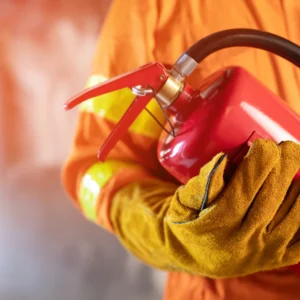
Fire extinguishers are crucial for fire safety at work. You can find them in offices, warehouses, shops, hospitals, hotels, and many other places in the UK. While not all employees need to fight fires, knowing what fire extinguishers do and the different types can help everyone be safer in an emergency.
This fire safety course teaches employees about basic fire extinguisher use. It helps them identify common types and understand how they fit into workplace fire safety plans.
A fire extinguisher is a portable tool for putting out small fires early. Different types of extinguishers work for different fires, so it’s important to use the right one.
Only use a fire extinguisher when it’s safe, and you follow your workplace rules and training.
In any fire emergency, the main focus should always be on personal safety and getting everyone out safely.
Employees do not need to become firefighting experts, but they should understand:
Basic awareness helps employees make better decisions and supports fire safety practises in the workplace.
Different fire extinguishers are made for different fire types. Workplaces may need one or more types based on their activities and surroundings.
Water extinguishers are commonly used for fires involving materials such as:
They are often found in offices, schools, and general workplace environments.
Foam extinguishers can be used on certain fires involving:
They are commonly used in workplaces where liquid fire risks may be present.
CO₂ extinguishers are frequently used around:
These extinguishers leave no residue, making them suitable for certain electrical fire risks.
Dry powder extinguishers work on different types of fires and are common in factories and outdoor areas. Their use depends on the specific workplace and the fire risk assessment conducted there.
Wet chemical extinguishers are often used in commercial kitchens and catering settings where cooking oils and fats can cause fires.
Workplaces commonly use colours, labels, and signs to identify types of fire extinguishers. Employees should know where these extinguishers are and understand which fires each one can fight.
Regular fire safety training helps employees become more familiar with fire equipment and emergency procedures.
Understanding your limitations during an emergency is crucial. Employees should:
Fire extinguishers are just one part of a larger fire safety plan that includes prevention, detection, warning systems, and evacuation procedures.
Knowing the types of fire extinguishers helps employees recognise fire risks and how to respond in emergencies. When paired with fire prevention training and evacuation plans, this knowledge makes the workplace safer.
By taking the Introduction to Fire Safety in the Workplace (Online) course, learners will understand fire extinguisher use and workplace safety procedures, promoting safer environments across the UK.
The Introduction to Fire Safety in the Workplace (Online) course teaches essential fire safety principles, prevention measures, and emergency response steps. Whether you’re taking the course alone or through your company, it provides practical knowledge relevant to many work settings.
By the end of this UK online fire safety course, you will understand how fires start, how to reduce risks, and how to help create a safer workplace.
Upon successful completion of the course, learners will be able to:
This workplace fire safety course emphasises practical awareness instead of technical firefighting skills. Learners encounter real-life scenarios and common risks found in offices, stores, warehouses, healthcare facilities, hotels, and other workplaces in the UK.
The knowledge gained can help employees:
Fire safety depends on everyone knowing their role. This training course helps learners take a proactive approach to safety by promoting hazard awareness, responsible behaviour, and following workplace rules.
By learning the course principles, employees can help reduce risks, protect their coworkers, and support a positive safety culture in their organisation.
No prior fire safety knowledge is needed. This course is for beginners and works for all employees, including newcomers, current staff, supervisors, managers, and business owners.
With flexible online learning, participants can learn about fire safety at their own pace. They will gain important skills in fire prevention, emergency procedures, and workplace fire awareness.
Introduction to Fire Safety in the Workplace (Online) teaches important skills for making workplaces safer. Knowing about fire safety helps meet legal requirements and protects people, lowers risks, and boosts confidence in emergencies.
This online fire safety course is beneficial for both employees wanting to learn more about safety and employers aiming to enhance their safety practises.
A major benefit of fire awareness training is that it helps workers recognise possible dangers and risks.
Learners gain a better understanding of:
Greater awareness helps individuals identify risks earlier and take appropriate action before incidents occur.
Employers must create a safe work environment and give staff the right safety information and training. Offering fire safety training shows that organisations care about workplace safety and follow the rules.
Training supports organisations by helping employees understand:
A knowledgeable workforce contributes to stronger workplace safety standards and reduced fire risks.
Fire emergencies can be stressful and hard to predict. Employees trained in fire safety are more likely to stay calm and act correctly when an alarm goes off or an emergency happens.
The course helps learners:
Confidence gained through training can make a significant difference when quick decisions are required.
Many workplace fires can be prevented. By teaching employees about common risks and fire safety, organisations can lower the chances of fires happening.
Trained employees can:
Every day, small actions by employees can significantly improve workplace safety.
Good fire safety training helps organisations reduce risks to employees, visitors, customers, equipment, and buildings.
Benefits include:
Investing in fire awareness education is an investment in the long-term safety and resilience of an organisation.
This online fire safety training course in the UK allows learners to immediately use their skills at work. The knowledge and practical skills gained can help improve safety standards right away.
Key advantages include:
Fire safety awareness is essential for a safe and responsible workplace. By taking this fire awareness course in the UK, learners gain the knowledge and confidence to spot risks, promote fire prevention, and respond effectively in emergencies.
This leads to a safer workplace, a better-informed workforce, and increased confidence in upholding fire safety standards throughout the UK.
Modern workplaces need training that is flexible, easy to access, and fits into busy schedules. That’s why the Introduction to Fire Safety in the Workplace course is available online. Learners can gain important fire safety knowledge without going to a classroom.
Whether you are learning alone or training several employees, online learning is a convenient and affordable way to complete fire safety training while staying productive and efficient.
One major benefit of online fire safety training is that you can learn at your own pace and on your own schedule.
Learners can:
This flexibility makes the course good for employees with different experience levels and learning styles.
The course is online 24/7, allowing learners to access training whenever they want.
Benefits include:
Online fire safety training in the UK is a great option for individuals and organisations with teams spread out across different locations.
Traditional classroom training often forces employees to leave work for long periods. Online learning helps minimise this disruption by letting staff complete training while managing their usual tasks.
Organisations can:
This makes online learning especially beneficial for businesses looking for practical and scalable compliance training solutions.
You can take the course alone or for a whole team. It offers a flexible learning experience that fits many workplace settings.
The course is ideal for:
Because no previous knowledge is required, the course is accessible to learners at all levels.
Every learner gets the same high-quality training. This keeps teams and organisations consistent. It helps businesses have a uniform way of training employees about fire safety and their development.
Learners gain practical knowledge covering:
The result is a stronger and more informed safety culture throughout the organisation.
After finishing the course, learners can get their fire safety certification. This shows their training and awareness of fire safety at work. It helps both employees and employers prove their commitment to workplace safety and supports ongoing learning and compliance.
Online learning is now a top option for workplace compliance training. With 24/7 access, self-paced lessons, and the flexibility to learn from anywhere in the UK, this online fire safety certification course is a practical way to build important fire safety knowledge.
By taking this online fire safety course in the UK, learners can acquire useful skills, boost workplace awareness, and finish their training in line with their personal and professional schedules.
After completing the Introduction to Fire Safety in the Workplace (Online) course, learners will get a certificate to acknowledge their achievement and knowledge of fire safety at work.
This certificate shows that the learner has finished the fire awareness training and understands fire hazards, prevention methods, emergency procedures, employee responsibilities, and best practises for workplace fire safety.
Once learners complete all course requirements, they can get their fire safety certification online. This shows their training and commitment to workplace safety.
The certificate can be used to:
Many organisations need to keep accurate training records to ensure workplace safety and support staff development.
The course teaches important fire safety topics that are useful in many UK industries.
You will learn about:
You can use these skills and knowledge right away in your daily work activities.
Taking a fire safety course shows that you care about safety and your own growth.
Offering fire safety training can help to:
A trained team is better at spotting dangers, following procedures, and creating a safer workplace.
This online fire safety course in the UK provides a certification that applies to many workplaces, including:
The course emphasises basic fire safety awareness, making it suitable for employees at all levels and in various sectors.
Workplace fire safety is a continuous duty, not a one-time task. Regular training keeps employees aware of fire risks and emergency procedures.
By taking this fire awareness course in the UK, learners receive recognised training. This helps employers create a more informed and safety-focused team.
This course offers more than just a certificate. Learners gain a better understanding of fire safety best practises in the UK and feel more confident in enhancing workplace safety.
For individuals and organisations, certification shows a commitment to protecting people, property, and business through strong fire safety awareness.
Creating a safe workplace goes beyond having fire alarms and exits. Employees need to recognise fire risks, learn fire safety procedures, and be ready to respond in emergencies. Regular fire safety training helps organisations improve safety and meet regulations.
The online course, “Introduction to Fire Safety in the Workplace,” provides practical and affordable training for businesses of all sizes in the UK.
Workplace fires can cause injuries, damage to property, disruptions, financial losses, and harm to a company’s reputation. Many of these fires can be avoided with good fire safety education and an active focus on safety.
Investing in fire safety training helps organisations:
A well-trained workforce is often one of the strongest defences against preventable workplace fires.
This online fire safety training UK course is suitable for:
The course offers a flexible training solution for small teams or entire workforces. You can easily use it in different departments and locations.
One main benefit of online learning is consistency. Every employee gets the same quality fire awareness training, helping organisations keep a uniform standard for fire safety education.
Learners are trained in essential areas, including:
This consistency helps ensure that everyone understands their role in maintaining workplace safety.
Many organisations find it hard to take employees out of work for classroom training. This online fire safety training solves that problem by letting staff learn whenever they can.
Benefits for employers include:
This flexibility makes the course perfect for today’s workplaces with different schedules and locations.
Fire safety training shows that the company cares about keeping employees safe. It helps uphold workplace rules and encourages staff to identify hazards and prevent fires actively.
Training supports organisations by helping employees:
These outcomes can help organisations strengthen their overall health and safety programmes.
The course is particularly valuable for:
Because the training is beginner-friendly, no prior fire safety knowledge is required.
Giving employees online access to fire safety certification is a straightforward way to boost workplace awareness, lower risks, and enhance overall safety.
The “Introduction to Fire Safety in the Workplace (Online)” course helps businesses of all sizes in the UK create a more informed and safety-aware workforce, supporting long-term fire safety standards.
When choosing a provider for workplace compliance training, look for quality, reliability, and a good learner experience. At Basic Life Support Training, we deliver accessible and engaging online training to help individuals and organisations gain essential workplace safety knowledge with confidence.
Our Introduction to Fire Safety in the Workplace (Online) course offers clear and easy-to-understand fire safety training. It supports workplace safety, employee development, and compliance objectives across the UK.
Basic Life Support Training offers professional courses that help learners gain confidence and practical skills for real-life situations.
We focus on:
Our goal is to make workplace safety training accessible, effective, and relevant to today’s work environments.
We know that both employees and employers need training that works with their busy schedules. That’s why our online fire safety course in the UK is flexible and can be done anywhere with internet access.
Learners benefit from:
This flexibility allows learners to complete their training at a time and pace that suits them.
Fire safety training should be simple and clear. Our course uses straightforward British English and focuses on real workplace situations that learners can connect with.
This course is suitable for:
No prior fire safety knowledge is needed, making it a great introduction to workplace fire awareness.
Basic Life Support Training helps with personal development and workforce needs.
We regularly support:
Our flexible online learning makes it easy to train individuals, teams, and organisations effectively.
The course teaches practical fire safety skills that learners can use right away at work.
Topics include:
This helps learners gain knowledge that promotes safer behaviour and better safety awareness at work.
After finishing, learners get a recognised certificate showing their knowledge of workplace fire safety.
Key benefits include:
At Basic Life Support Training, we believe good training makes workplaces safer and boosts confidence. Our mission is to offer practical and easy training that helps learners spot risks, follow safety procedures, and enhance workplace safety.
When you choose Basic Life Support Training, you pick a trusted provider of UK fire safety courses. We focus on your success, relevant skills for the workplace, and a quality online learning experience from beginning to end.
Fire safety awareness is crucial for safer workplaces. It helps protect employees and lowers the risk of fire incidents. If you want to enhance your own knowledge or train your team, the Introduction to Fire Safety in the Workplace (Online) course is a great option.
This course is fully online, allowing you to learn at your own pace from anywhere in the UK. You can complete the training whenever it suits you while gaining important fire safety skills.
This course is for employees, supervisors, managers, job seekers, and business owners. It offers a clear guide to fire safety and emergency readiness in the workplace.
By enrolling today, you will gain:
No previous experience is required, making this course suitable for learners at all levels.
Our flexible fire safety training is perfect for organisations that want an easy and affordable way to boost safety awareness and meet compliance goals.
We assist:
Training employees in fire safety helps build a strong safety culture, increase hazard awareness, and create a safer workplace for everyone.
Don’t wait for an emergency to realise how important fire safety is. Learn to spot risks, prevent fires, and respond correctly in an emergency.
Sign up for the Introduction to Fire Safety in the Workplace (Online) course today. Gain the confidence and knowledge to help create safer workplaces across the UK.


Basic Life Support Training provides practical first aid and life support training for individuals and organisations across London and the UK.
64 Broadway, London, E15 1NT, United Kingdom.
+44 790 317 7781
info@basiclifesupporttraining.co.uk
Copyright © 2026, Basic Life Support Training | All Rights Reserved.
Reviews
There are no reviews yet.