
£50.00
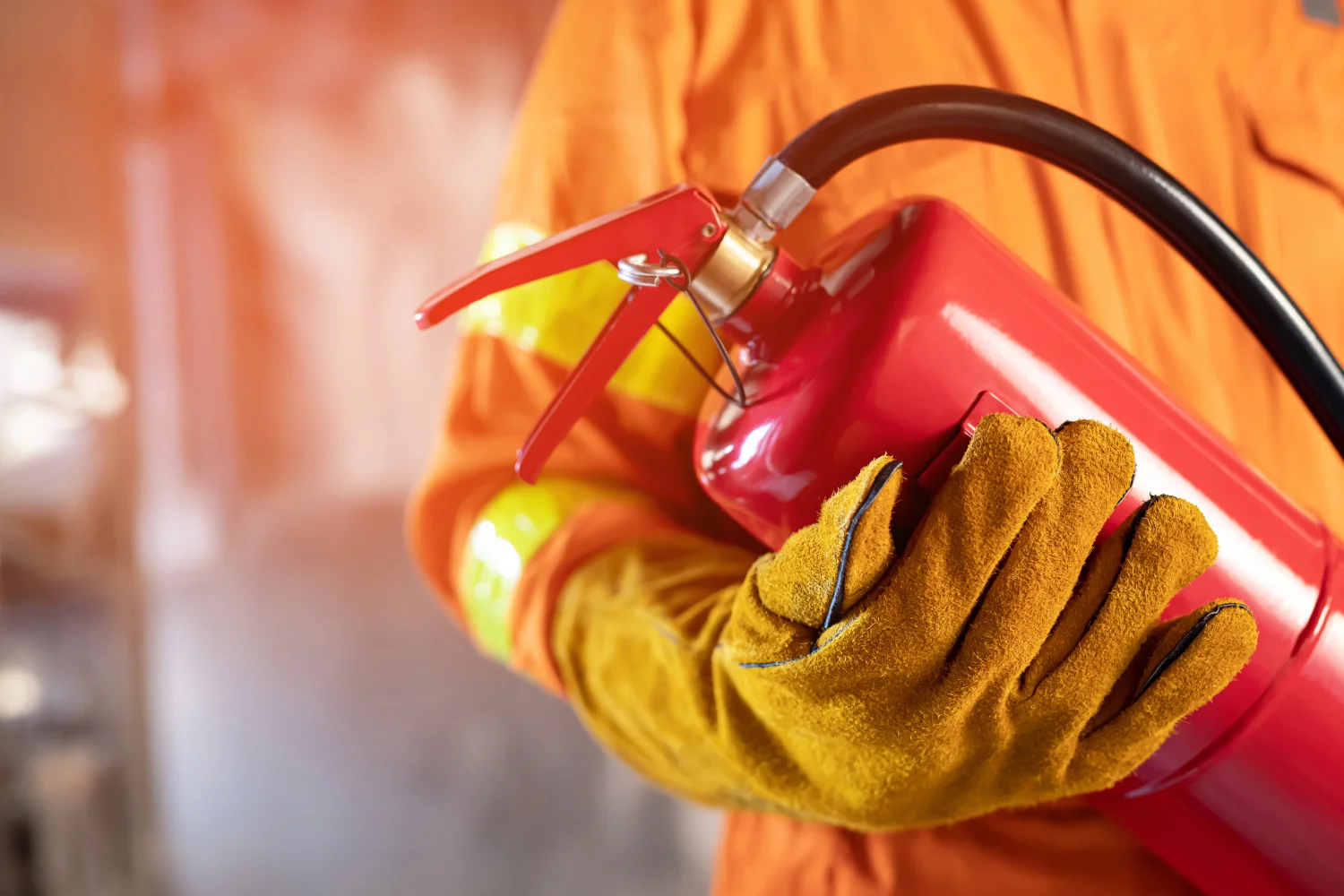
Gain the knowledge and confidence to protect people, property, and workplaces from fire risks with our Fire Marshal Course (Level 3) in London. This course is for individuals and organisations that want to meet fire safety responsibilities and improve emergency readiness.
Our fire marshal training covers fire prevention, risk assessment, evacuation procedures, emergency response, and the main duties of a Fire Marshal or Fire Warden. It’s useful for employers, managers, Health & Safety reps, facilities managers, and designated Fire Marshals. You’ll learn practical skills that help you follow UK fire safety laws.
Our experienced trainers offer the course in a classroom or on-site at your business anywhere in London and Greater London. Those who succeed will receive a recognised certificate showing their grasp of workplace fire safety and emergency procedures.
Why choose this course?
A Fire Marshal is trained staff who promotes fire safety at work and supports safe evacuations during fires. They identify fire hazards, raise fire safety awareness, assist with emergency planning, and ensure that employees and visitors can evacuate safely.
In many organisations, a Fire Marshal is the main contact for fire safety and helps employers keep a safe working environment. While they are not firefighters, they receive special training on fire risks, emergency procedures, and their duties before, during, and after a fire.
A Fire Marshal usually has these responsibilities:
A Fire Marshal is a trained person who helps keep fire safety standards and ensures safe evacuations during a fire emergency. This role is important in offices, stores, warehouses, schools, hospitals, hotels, construction sites, and other places where fire safety is needed.
Fire Marshals help organisations lower fire risks, improve emergency plans, and create a safer workplace. With professional fire marshal training in London, individuals learn to spot dangers, know what to do in emergencies, and ensure the workplace follows fire safety rules.
Fire Marshal training is vital for a safe and lawful workplace. Fires can happen anywhere, like offices, stores, warehouses, schools, healthcare facilities, and factories. Having trained Fire Marshals helps organisations minimise risks, protect people, and respond effectively in emergencies.
A skilled Fire Marshal knows how to spot fire hazards, promote fire prevention, and help with safe evacuations. This knowledge is crucial when every second matters during a fire.
Fire marshal training in London aims to protect everyone in the workplace. Trained fire marshals can spot dangers early and encourage fire safety awareness in the organisation.
Good fire marshal training benefits organisations by:
Employers must take steps to protect employees, visitors, contractors, and the public from fire risks. Appointing trained Fire Marshals is essential for these duties.
The professional Fire Marshal course in London teaches learners how to support fire safety in the workplace, understand emergency procedures, and help meet fire safety regulations.
In emergencies, people seek guidance and reassurance. A trained Fire Marshal can help keep calm, support evacuation, and carry out the emergency response plan.
During fire marshal training, learners build the confidence to:
Fire marshal training helps staff focus on prevention. Fire Marshals learn to spot common workplace dangers and promote safer work habits to lower fire risks.
This proactive method can help organisations prevent incidents caused by:
Investing in fire safety training in London shows that an organisation values safety for employees, clients, visitors, and stakeholders. Trained Fire Marshals help build a strong safety culture, ensuring that fire safety is a daily priority, not just during emergencies.
Fire safety is not just a good idea; it’s required by law in every UK workplace. Employers and those in charge must take steps to lower fire risks, protect people, and have solid emergency plans.
A big part of this is choosing qualified people to help with fire safety. That’s why many organisations invest in fire marshal training in London to ensure staff know their roles and can help create a safer workplace.
The main law about fire safety in workplaces in England is the Regulatory Reform (Fire Safety) Order 2005. This law gives legal responsibilities to the “Responsible Person” for a building.
The Responsible Person can be:
According to the law, the Responsible Person must take reasonable actions to protect employees, visitors, contractors, and the public from fire hazards.
Employers must make sure that fire safety measures are in place and kept up in the workplace. Their responsibilities include:
Many organisations hire trained Fire Marshals to support these duties and improve fire safety compliance.
The employer is responsible for fire safety at work, but trained Fire Marshals help keep standards high and prepare for emergencies.
After finishing a fire marshal course in London, Fire Marshals usually need to:
Employers and Fire Marshals need to understand their legal responsibilities. Proper fire marshal training in London helps people learn how laws apply in real workplaces and gives them practical knowledge to ensure compliance.
Businesses in London, whether offices, retail shops, warehouses, schools, healthcare facilities, or hospitality venues, benefit from having trained staff. These individuals understand fire safety regulations and can help create a safer environment for everyone.
Fire Marshal training is for anyone responsible for fire safety, emergency plans, or evacuation procedures at work. Though many organisations have specific Fire Marshals or Fire Wardens, the training also helps managers, supervisors, and staff who contribute to a safe work environment.
A professional Fire Marshal course in London teaches you how to spot fire risks, understand emergency plans, and ensure fire safety compliance in various industries and workplaces.
This fire marshal training course in London is perfect for:
Many organisations train several employees to ensure proper fire safety across various departments, shifts, and locations.
Fire safety matters in almost every workplace. This Level 3 fire marshal course is for all types of organisations, from small businesses to large companies with multiple locations.
Common workplace settings include:
Employers must ensure they have proper fire safety measures. Training designated workers as fire marshals helps organisations improve their fire safety and prepare for emergencies.
Employers often enrol:
If you run a small office in Central London or manage multiple locations in Greater London, having trained Fire Marshals can improve safety and meet regulations.
Our on-site fire marshal training in London is ideal for organisations that want to train several employees together. We can customise the training to fit your workplace and fire safety procedures.
If you are a Fire Marshal or Fire Warden, or if you help with fire evacuations and workplace safety, you should take Fire Marshal training.
Fire warden training in London teaches you how to spot fire hazards, understand emergency procedures, assist coworkers during evacuations, and help create a safer workplace.
This course also offers official fire marshal certification for individuals and organisations , making it useful in many industries in London and Greater London.
Many people wonder if a Fire Marshal and a Fire Warden are the same before taking a fire marshal course in London.
In most UK workplaces, the terms Fire Marshal and Fire Warden mean the same thing. Both help ensure fire safety, guide evacuation steps, spot fire hazards, and raise fire safety awareness among staff.
The specific title usually depends on the company’s policies, not legal rules.
| Fire Marshal | Fire Warden |
| Supports workplace fire safety | Supports workplace fire safety |
| Assists with fire evacuations | Assists with fire evacuations |
| Identifies fire hazards | Identifies fire hazards |
| Promotes fire prevention measures | Promotes fire prevention measures |
| Helps with fire drills and emergency planning | Helps with fire drills and emergency planning |
| May oversee fire safety arrangements in a specific area | May oversee fire safety arrangements in a specific area |
For most organisations, the responsibilities and training requirements are virtually identical.
A Fire Marshal is usually assigned to keep fire safety standards at work and help during emergencies.
Their tasks include:
People who finish Fire Marshal training in London learn how to do these tasks well and with confidence.
A Fire Warden does many tasks like a Fire Marshal. During an emergency, they guide people to exits, check areas, and support evacuation plans.
Key responsibilities include:
That’s why many training programmes are called fire marshal training London and fire warden training London.
If your employer has made you a Fire Marshal or Fire Warden, the same training usually works for both roles. A recognised Level 3 fire marshal course gives you the knowledge and skills needed for either position in most workplaces.
The training includes:
The titles might differ, but the goal is the same: to protect people and buildings from fire risks and ensure workplace safety.
Whether you are called a Fire Marshal or Fire Warden, getting professional fire marshal certification in London helps you know your duties and make your workplace safer across London and Greater London.
In most UK workplaces, there is little difference between a Fire Marshal and a Fire Warden. Both roles focus on fire safety, spotting fire hazards, helping with evacuations, and encouraging fire prevention. The title often depends on the organisation, not legal rules.
Every workplace has fire risks, no matter its size or industry. Fires can start fast in offices, retail stores, warehouses, schools, hospitals, and factories, leading to serious harm to people and property.
A trained Fire Marshal must understand common fire hazards. In professional fire marshal training in London, learners gain the skills to spot risks early and prevent fires before they happen.
Many workplace fires can be prevented. They often happen because of common hazards that are overlooked or not handled properly. By spotting potential dangers and encouraging safe practises, Fire Marshals can lower the risk of fires and create a safer workplace.
Better fire risk awareness helps organisations:
Fire prevention relies on understanding how fires start. Common causes of workplace fires include:
Electrical faults are a major cause of workplace fires. Damaged wires, overloaded outlets, poorly maintained equipment, and broken appliances can all cause fires.
Examples include:
Mistakes can cause serious fires. Employees might accidentally create fire hazards by working unsafely or not knowing about fire safety.
Common examples include:
Cluttered workspaces raise fire risks. Waste, extra packaging, and disorganised storage can fuel a fire.
Fire Marshals help find cleanliness problems that could lead to fire spreading.
Some workplaces keep materials that can catch fire if not handled properly. Examples are:
To lower the risk, it’s important to store and handle these items correctly.
Workplace kitchens and catering areas can pose extra fire risks, especially when cooking equipment is used often.
Common risks include:
Different industries have unique fire hazards. For example:
Workplace fire marshal training teaches how fire risks vary across these environments.
A trained Fire Marshal helps organisations find and manage fire risks before they become serious issues.
After completing a level 3 fire marshal course, learners will know how to:
Fire safety starts with awareness. When organisations understand the common causes of workplace fires, they can take steps to reduce risks and keep everyone safe.
The best way to protect people, property, and businesses from fire is to prevent fires before they happen. Although emergency procedures are important, good fire prevention measures greatly lower the chances of a fire and make the workplace safer for everyone.
One goal of fire marshal training in London is to teach students how to spot potential hazards and support fire safety practises at work. By knowing how fires start and spread, Fire Marshals can help organisations take steps to reduce risks and enhance fire safety standards.
Fire prevention means finding and managing things that could start a fire. It aims to reduce sources of ignition, handle flammable materials, and ensure that work activities are done safely.
Everyone shares the responsibility for fire prevention, including employers, managers, employees, and trained Fire Marshals.
Every workplace needs good fire safety measures to prevent fires and protect people.
Important fire safety controls include:
These controls are essential for effective fire safety in the workplace.
Poor housekeeping often causes workplace fires. Excess waste, cluttered storage, and blocked pathways can increase the chance and impact of a fire.
Good housekeeping practises include:
A trained Fire Marshal can spot housekeeping problems before they turn into serious fire hazards.
Electrical faults often cause workplace fires in many industries. To prevent these fires, it’s important to maintain and use electrical equipment safely.
Here are some suggested controls:
Taking these steps can significantly lower the risk of electrical fires.
Many workplaces keep items that can easily catch fire. If not handled correctly, these items can raise fire risks.
Examples include:
Fire Marshals need to know how these items can increase fire risks and promote safe storage practises in their workplace.
Detecting fires early is key to stopping small fires from becoming big emergencies. Fire alarm systems give people time to exit safely and help emergency services respond quickly.
Good fire safety practises include:
These steps ensure alarms work properly when they are needed most.
A Fire Marshal plays a crucial role in promoting fire safety in the workplace. This involves:
Through fire marshal training, learners gain the confidence to promote these standards across their organisation.
After completing a fire marshal course in London, learners know how to help prevent fires every day. Their role often includes:
Fire prevention is crucial for saving lives, minimising business interruptions, and following legal rules. By using effective fire safety measures and training staff, organisations can greatly lower fire risks and enhance overall safety.
A fire risk assessment is a key tool for preventing workplace fires and keeping people safe. It helps organisations find fire hazards, assess risks, and put in place measures to lower the chance of a fire.
Knowing what a fire risk assessment does is essential for fire marshal training in London. Fire Marshals play an important role in improving workplace fire safety and spotting potential hazards.
A fire risk assessment checks a workplace to find:
The aim is to lower fire risks as much as possible and make sure there are proper precautions to protect employees, visitors, contractors, and the public.
Fire hazards can easily be missed without a proper assessment. Even small problems can increase the risk of a fire or make it harder to evacuate in an emergency.
A good fire risk assessment helps organisations:
Fire Marshals must understand these principles to effectively prevent fires and manage risks.
Assessments can differ by workplace, but they usually follow a clear process.
Step One: Identify Fire Hazards
Look for anything that could start or add to a fire. Common examples include:
The assessment must include everyone who could be impacted by a fire. This may include:
After identifying hazards, organisations should evaluate how likely a fire is and what they can do to lower risks. This may include:
Important findings should be recorded, and suitable control measures should be implemented.
For example:
Fire risk assessments aren’t a one-time task. Review them regularly and update them when there are major changes in the workplace, processes, staff, or building layout.
Fire Risk Assessment Hazards
During a fire risk assessment, common hazards include:
Identifying these hazards early can help prevent serious accidents and make the workplace safer.
Fire Marshals usually don’t conduct formal fire risk assessments unless they are trained for it. However, they support the process.
After completing a level 3 fire marshal course, learners can:
This makes Fire Marshals an important part of a company’s fire safety strategy.
Workplace fire marshal training helps people identify and control fire hazards before they cause emergencies. Fire Marshals who know risk assessment can better support fire prevention, enhance workplace safety, and ensure compliance with fire safety regulations.
Every workplace needs to be ready to respond quickly and safely to a fire, even if they have good fire prevention measures. Clear evacuation plans and well-organised emergency procedures protect lives, reduce confusion, and make sure everyone knows what to do during a fire.
Fire marshal training in London focuses on how workplace evacuation plans work and how Fire Marshals can help ensure a safe and organised response during emergencies.
Fire evacuation procedures tell employees, visitors, and contractors what to do when a fire alarm rings or a fire is detected.
These procedures aim to:
Every workplace must have clear evacuation plans that all staff know about.
In a fire emergency, delays and confusion can put people in danger. Good emergency planning helps everyone know their role and what to do during an evacuation.
Effective emergency planning can help organisations:
That’s why emergency planning is a key part of every level 3 fire marshal course.
An effective evacuation plan should have clear steps and roles to follow quickly in an emergency. Important parts include:
These measures help make sure evacuations are safe and efficient.
Escape routes are essential for fire safety at work. Employees need to exit the building quickly and safely.
Fire Marshals should ensure that:
Regular checks on these areas help ensure safe evacuation during emergencies.
Fire drills help organisations practise their evacuation plans and find any weak spots before an actual emergency happens.
Regular drills help by:
In fire marshal training, participants learn how drills improve workplace safety and emergency readiness.
A key duty of a Fire Marshal is to support evacuation during emergencies.
Fire Marshals may need to:
Specific tasks can differ by organisation, but the main goal is the same: getting people to safety quickly.
Emergency planning should include people who need extra help during an evacuation. This includes:
Recognising these needs is crucial for fire warden training in London and makes evacuation plans more effective and inclusive.
A prepared organisation can react better during emergencies. Having clear evacuation plans, regular fire drills, good communication, and trained Fire Marshals helps create a safer workplace and improves emergency response.
Fire extinguishers are crucial for safety at work, but they need to be used properly. Different fires need different extinguishers, and using the wrong one can make the fire worse or endanger people.
In fire marshal training in London, participants learn about the types of fire extinguishers, which fires they are meant for, and the importance of making safe choices in an emergency.
Fire extinguishers are usually the first way to fight a small fire. However, Fire Marshals should not put themselves at risk or act like firefighters.
In a fire emergency, the main priorities are to:
Knowing these steps is key to level 3 fire marshal training.
Before choosing an extinguisher, know the different types of fires you might see at work.
These involve ordinary combustible materials such as:
Class A fires are among the most common workplace fires.
These involve flammable liquids such as:
These fires can spread rapidly if not controlled correctly.
These involve flammable gases, including:
Special precautions are required when dealing with gas-related incidents.
Electrical equipment fires can occur in:
Electrical fires require suitable extinguishing methods to reduce the risk of electric shock.
Fires often occur in commercial kitchens, restaurants, and catering settings. They are very dangerous and should never be put out with water.
Workplaces usually have different fire extinguishers for various fire risks.
Water extinguishers are mainly used for Class A fires. They work well in:
They should not be used for:
Foam extinguishers are commonly used for:
They are often found in workplaces where flammable liquids may be present.
CO₂ extinguishers are made for:
They are usually found near:
Dry powder extinguishers can put out fires caused by:
They are usually found in factories and outside.
Wet chemical extinguishers are made for:
They are commonly used in:
During fire marshal training, participants learn which fire extinguisher to use for different types of fires.
Fire Marshals learn how to:
This knowledge improves workplace readiness and helps with emergency response planning.
Use fire extinguishers only when:
If you’re unsure, always prioritise evacuation.
Understanding fire extinguishers is crucial for Fire Marshals. Knowing the types of extinguishers, what they are used for, and their limits helps create safer workplaces and better emergency plans.
In our fire marshal course in London, learners gain practical fire safety knowledge that supports workplace rules, emergency planning, and fire risk management. Whether attending alone or through onsite training, this knowledge enables Fire Marshals to make workplaces safer across London and Greater London.
A Fire Marshal is important for keeping workplaces safe from fires and preparing for emergencies. Employers are legally in charge of fire safety on their property, but trained Fire Marshals support them by promoting safe practises, spotting hazards, and helping during fire emergencies.
Knowing these responsibilities is a key part of Fire Marshal training in London. This training helps learners gain the confidence and knowledge to do their jobs well in different workplace settings.
A Fire Marshal helps lower fire risks and ensures people can safely leave a building during a fire. They connect management, employees, and fire safety rules.
Their main duties include:
Fire Marshals play a key role in an organisation’s fire safety plan.
Fire Marshals have many responsibilities before an emergency happens. They focus on keeping safety standards high and promoting good fire safety practises at work.
Their daily tasks include:
These actions help lower risks and create a safer workplace.
A Fire Marshal plays an important role in preventing fires.
After completing a level 3 fire marshal course, learners can spot common hazards like:
By finding and reporting these issues early, Fire Marshals help organisations lower the risk of fires.
When a fire alarm goes off or there’s a fire emergency, Fire Marshals have specific tasks based on the organisation’s emergency plan. Their responsibilities include:
Duties may differ by workplace, but the main goal is to ensure a safe and efficient evacuation.
The Fire Marshal’s job can continue even after people leave the building.
Their responsibilities may include:
These tasks help organisations improve fire safety procedures and emergency plans.
Successful Fire Marshals mix practical fire safety knowledge with clear communication and good observation skills.
Key qualities include:
Professional fire warden training in London helps learners build and apply these skills effectively in real situations.
A trained Fire Marshal can prevent incidents, improve emergency readiness, and support workplace safety. They help protect employees, visitors, property, and business operations while ensuring companies meet fire safety laws.
People who complete fire marshal certification in London gain important skills for creating safer workplaces throughout London and Greater London, whether in offices, warehouses, retail stores, healthcare settings, schools, or industrial sites.
Workplace fire marshal training equips learners to spot hazards, raise fire safety awareness, and assist in emergency responses when it matters most.
Our Fire Marshal Course (Level 3) in London helps learners gain the practical skills and knowledge to perform Fire Marshal or Fire Warden duties confidently. The course covers fire safety rules, legal responsibilities, risk awareness, and emergency response procedures to support a safer workplace.
Whether you are taking the course alone or as part of your organisation, it addresses real fire safety issues that can occur in today’s workplaces.
By the end of this fire marshal training course, learners will be able to:
Learners will understand the main legal duties for fire safety at work, focusing on what employers and assigned staff must do.
Topics covered include:
This knowledge will help learners see how fire safety measures support legal compliance and protect employees.
The course focuses on spotting fire risks before they cause problems.
Learners will look at:
By understanding these topics, Fire Marshals can help prevent fires in their organisation.
Preventing fires is better than dealing with them after they start. In this course, learners will explore practical ways to lower fire risks and boost safety.
Topics covered include:
These skills are useful in offices, warehouses, stores, hospitals, schools, and factories.
Effective emergency response needs clear planning and trained staff. Learners will understand workplace evacuation procedures and the Fire Marshals’ role during emergencies.
Topics covered include:
This knowledge enables Fire Marshals to ensure safe and organised evacuations when needed.
The course teaches learners about different fire extinguishers used in workplaces and how to use them correctly.
Learners will understand:
This section emphasises awareness and fire safety at work, not firefighting duties.
Our fire marshal course in London focuses on real-life use of fire safety principles in the workplace.
Students will get practical insights into:
After finishing this fire marshal certification course in London, you will gain practical knowledge to use right away.
You will be better able to:
This fire marshal training in Greater London is valuable for new Fire Marshals, Fire Wardens, managers, supervisors, or Health & Safety representatives. It helps protect people, property, and business operations while ensuring fire safety compliance.
Fire Marshal training offers more than just a certificate. It teaches useful skills that help organisations lower fire risks, improve emergency plans, and make workplaces safer for employees, visitors, and customers.
Whether you’re taking a fire marshal course in London for yourself or organising onsite training for your team, the knowledge you gain will enhance workplace safety and daily operations.
The biggest benefit of fire marshal training in London is safer workplaces. Trained Fire Marshals can spot dangers, encourage fire prevention, and support safe practises at work.
This helps to:
A safer workplace is good for everyone and fosters a stronger safety culture.
Fire emergencies are stressful and unpredictable. Without proper training, people may not know how to react.
Workplace fire marshal training teaches important topics, such as:
This training helps Fire Marshals stay calm, make smart choices, and reassure coworkers during a crisis.
Employers must handle fire risks and ensure fire safety at work. Having trained Fire Marshals shows a commitment to safety and helps meet legal requirements.
Fire Marshal training in London helps organisations by:
Although training alone doesn’t ensure compliance, it’s a key part of a good fire safety management system.
Many workplace fires can be avoided. A trained Fire Marshal knows how to spot dangers and implement measures to lower risks before accidents happen.
After completing a Level 3 Fire Marshal course, learners gain confidence in identifying:
This greater awareness helps organisations tackle problems before they turn into emergencies.
Effective emergency planning relies on trained staff who know their roles and can follow procedures.
Fire Marshal training helps organisations:
Well-prepared workplaces can respond more effectively to unexpected situations.
Fire Marshal training helps employers, managers, and safety professionals improve workplace safety.
Benefits include:
These benefits help organisations achieve better fire safety standards in all areas.
A positive safety culture grows when employees see how important safety is and help keep high standards.
Trained Fire Marshals can:
This helps increase employee engagement and improve overall safety performance.
Fire warden training in London provides useful knowledge for various sectors, including:
Fire safety is essential for protecting people and business operations in any industry.
Taking a fire marshal course in London is a smart choice for personal growth and workplace safety. Students gain useful skills right away, and employers see better safety awareness, improved emergency readiness, and higher fire safety standards.
Whether you want to take fire marshal training for yourself or set it up for your staff, the benefits go beyond the classroom. The knowledge learnt helps create safer workplaces, boosts employee confidence, and strengthens fire safety compliance across London and Greater London.
Getting a recognised Fire Marshal qualification shows you have received proper training in fire safety at work and understand what it means to be a Fire Marshal or Fire Warden. It assures employers that their staff can effectively support fire safety plans and emergency procedures.
Our Level 3 Fire Marshal Course in London offers hands-on training that applies to many industries and workplaces.
After finishing the course, learners will get a Fire Marshal (Level 3) Certificate showing their achievement.
The certification proves knowledge of:
This certificate helps employers and organisations improve their fire safety measures.
A fire marshal certification course in London helps people learn the skills they need for workplace fire safety.
Certification offers:
For many organisations, having trained and certified Fire Marshals is a key part of their fire safety strategy.
Our fire marshal training in London provides useful knowledge for many workplaces, including:
Since fire safety is important in almost every workplace, Fire Marshal certification is valuable in many industries.
Employers must ensure fire safety measures are in place at their locations. Training Fire Marshals helps raise awareness, improve emergency readiness, and enhance fire safety management.
After completing a level 3 fire marshal course, learners can help employers by:
This certification is valuable for both employees and organisations.
Our fire marshal course in London is ideal for people who want to learn about fire safety and for organisations wanting to train several staff members.
Many businesses in London and Greater London choose our on-site fire marshal training to ensure their teams get uniform fire safety training that aligns with their job roles and operational needs.
This method helps organisations keep a skilled workforce that is ready to enhance fire safety at work.
Workplaces, risks, and procedures can change. Regular training helps Fire Marshals stay confident and aware of current fire safety practises.
Many organisations review Fire Marshal training regularly to keep everyone informed and strengthen their key responsibilities, especially when there are changes to:
If you are a new Fire Marshal, Fire Warden, manager, supervisor, facilities manager, or Health & Safety professional, getting fire marshal certification in London shows you care about workplace safety and being ready for emergencies.
This certification gives you practical knowledge that improves workplace safety, boosts fire safety awareness, and helps organisations in London and the Greater London area meet fire safety standards.
Every organisation must protect employees, visitors, contractors, and property from fire risks. A great way to do this is by training specific staff members as Fire Marshals so they know how to keep the workplace safe from fire.
Our Fire Marshal Course (Level 3) in London is open to individuals and groups. We collaborate with businesses of all sizes in London and Greater London, training Fire Marshals to help ensure fire safety and prepare for emergencies.
Training multiple employees together ensures everyone understands fire safety procedures and responsibilities.
Our group fire marshal training in London is perfect for:
Training several staff members at once helps improve fire safety skills and boosts workplace readiness.
We offer on-site fire marshal training in London for organisations that want training at their location.
On-site training has many benefits:
This option is popular among businesses that need to train multiple Fire Marshals, Fire Wardens, supervisors, or managers together.
Every workplace has its own fire risks. A warehouse needs different fire safety measures than an office, healthcare facility, retail store, or school.
Our fire marshal training teaches important fire safety principles tailored to each participant’s work environment.
The training helps organisations with:
This hands-on approach helps learners connect the training to their daily activities.
Businesses often choose people from various departments to be Fire Marshals or Fire Wardens.
This course is ideal for:
Training staff from different areas promotes better fire safety in the workplace.
Training staff as fire marshals provides benefits beyond just meeting legal requirements.
Key advantages are:
Trained employees are more likely to spot dangers and respond effectively in emergencies.
Employers must manage fire risks and ensure fire safety arrangements are in place. While the employer or Responsible Person is in charge, trained Fire Marshals can help make the workplace safer.
By enroling employees in our fire marshal course in London, organisations show their commitment to safety and ensure that key staff understand their fire safety roles.
We offer fire marshal training in Greater London for various organisations . Whether you need training for a single office, a large warehouse, a school, a healthcare facility, or several locations, we can provide practical and professional fire safety training tailored to your needs.
If your organisation needs several employees trained as Fire Marshals or Fire Wardens, our group and on-site fire marshal training in London is a convenient and effective choice.
When picking a fire marshal training provider in London, choose one that offers practical and engaging learning focused on the workplace. At Basic Life Support Training, we help individuals and companies build the knowledge and confidence needed for fire safety and emergency preparedness.
Our Fire Marshal Course (Level 3) in London offers more than just a certificate. We provide training that learners can use right away in their workplaces, helping organisations improve fire safety and create safer environments.
Our training focuses on real workplace situations and common fire safety issues that many organisations face.
Learners gain practical knowledge that applies to:
This hands-on approach ensures that Fire Marshals understand how fire safety principles work in everyday environments.
Our fire marshal course in London is taught by professional instructors. This allows learners to interact with experienced trainers, ask questions, and better understand their fire safety responsibilities at work.
Instructor-led training offers several benefits:
This approach creates a more effective learning experience than just reading policies or guidance documents.
Our course is for anyone needing fire marshal certification in London, whether you’re an individual or an employer wanting to train staff.
We support:
This flexibility means our training fits workplaces of all sizes.
For organisations needing training for multiple employees, we provide on-site fire marshal training in London and Greater London.
Benefits of onsite training include:
This helps businesses train several Fire Marshals while keeping daily operations running smoothly.
Our workplace fire marshal training teaches important fire safety principles, emergency planning, fire prevention, and evacuation procedures.
The course helps organisations by educating designated personnel on:
This training leads to better fire safety management and a more knowledgeable workforce.
We know that learners have different backgrounds and experiences. Our training uses clear, professional British English and is easy to follow and engaging.
Learners enjoy:
Our goal is to make sure every learner feels confident in supporting fire safety at work.
Basic Life Support Training helps people and organisations in London and Greater London with top-quality safety and compliance training.
By choosing our fire marshal training in Greater London, you gain:
Choosing the right Fire Marshal training provider can greatly impact learner confidence and workplace safety. At Basic Life Support Training, we offer practical and engaging training that helps learners understand their roles and create safer workplaces.
If you need fire marshal training in London, Basic Life Support Training offers practical courses for individuals and organisations. Our training helps you understand fire safety, prepare for emergencies, and manage evacuations in various work settings.
Whether you are new to the role or an experienced Fire Warden, our Level 3 Fire Marshal Course provides hands-on training you can use right away at work.
London has many businesses, schools, hospitals, retail shops, warehouses, hotels, and public organisations. Each place has its own fire safety challenges and needs trained staff who know how to prevent fires and respond in emergencies.
Our fire marshal training in Greater London suits organisations in:
The course offers practical fire safety knowledge applicable to various industries and workplaces.
People can join our fire marshal course in London to earn a recognised qualification and learn about fire safety at work.
This training is great for:
Participants will receive hands-on training and a certificate after completing the course successfully.
Many organisations like to train at their workplace. Our onsite fire marshal training in London lets businesses train multiple employees at once, minimising disruption to daily operations.
Benefits of onsite training include:
This option is favoured by organisations that need several trained Fire Marshals or Fire Wardens in various departments or locations.
We help organisations across London and Greater London improve fire safety and prepare for emergencies.
Our clients include:
No matter the industry, our fire marshal training teaches learners their roles and how to create a safer workplace.
Our training emphasises real workplace situations instead of just theories. Learners acquire practical skills to spot hazards, promote fire safety, and help with evacuation.
Key areas include:
This hands-on approach ensures learners can use their skills right away when they return to work.
organisations choose Basic Life Support Training because we offer professional, instructor-led courses that promote workplace and fire safety.
Our fire warden training and fire marshal certification programmes in London are designed to help learners:
Gain the skills and confidence to support fire safety, prepare for emergencies, and carry out evacuation plans. Our Level 3 Fire Marshal Course in London offers practical training with an instructor, helping you understand your responsibilities and improve workplace safety.
This course is suitable for new Fire Marshals, Fire Wardens, managers, supervisors, facilities managers, and Health & Safety representatives. You’ll gain important fire safety knowledge you can use right away.
Upon completion, you will receive a recognised certificate and have a clearer understanding of:
Do you want to complete fire marshal training in London for your job or personal growth?
Our classroom training is perfect for anyone who needs recognised fire marshal certification and wants to learn practical fire safety skills from experienced teachers.
Ideal for:
Book Your Fire Marshal Course Now
Need to train multiple employees?
Our onsite fire marshal training in London and group training options make it easy and affordable for your team to learn about fire safety and emergency procedures. We partner with organisations throughout London and Greater London, including:
Benefits of Group and Onsite Training:
We can create a training solution that fits your team’s needs, whether it’s for a small group or your whole organisation.
Professional fire marshal training in Greater London helps organisations enhance fire safety awareness, boost emergency readiness, and meet workplace regulations. By investing in this training, you ensure the safety of your employees, property, and business.
Book your Level 3 Fire Marshal Course in London today. Learn skills to help make your workplace safer for everyone.



Basic Life Support Training provides practical first aid and life support training for individuals and organisations across London and the UK.
64 Broadway, London, E15 1NT, United Kingdom.
+44 790 317 7781
info@basiclifesupporttraining.co.uk
Copyright © 2026, Basic Life Support Training | All Rights Reserved.
Reviews
There are no reviews yet.